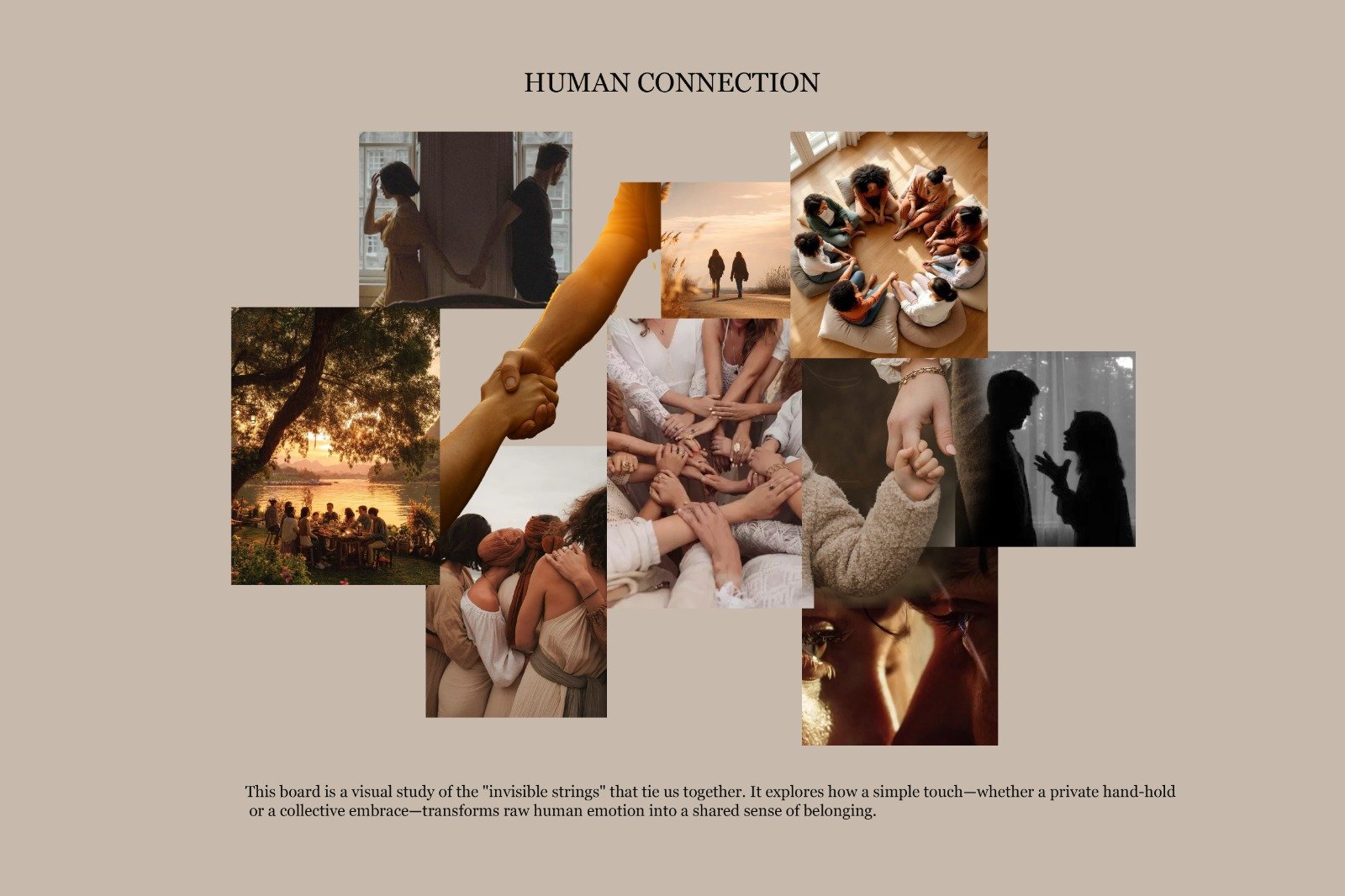
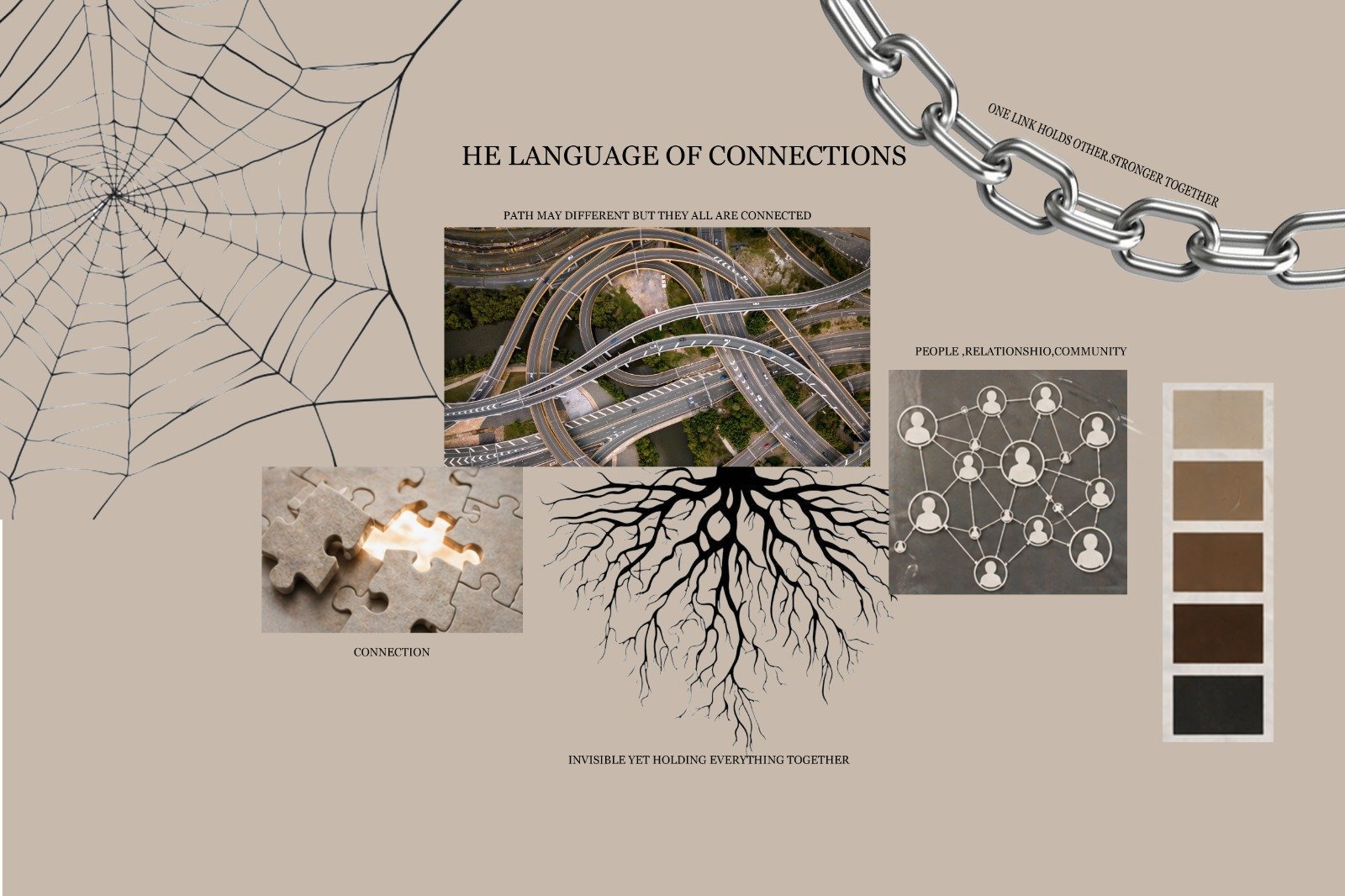
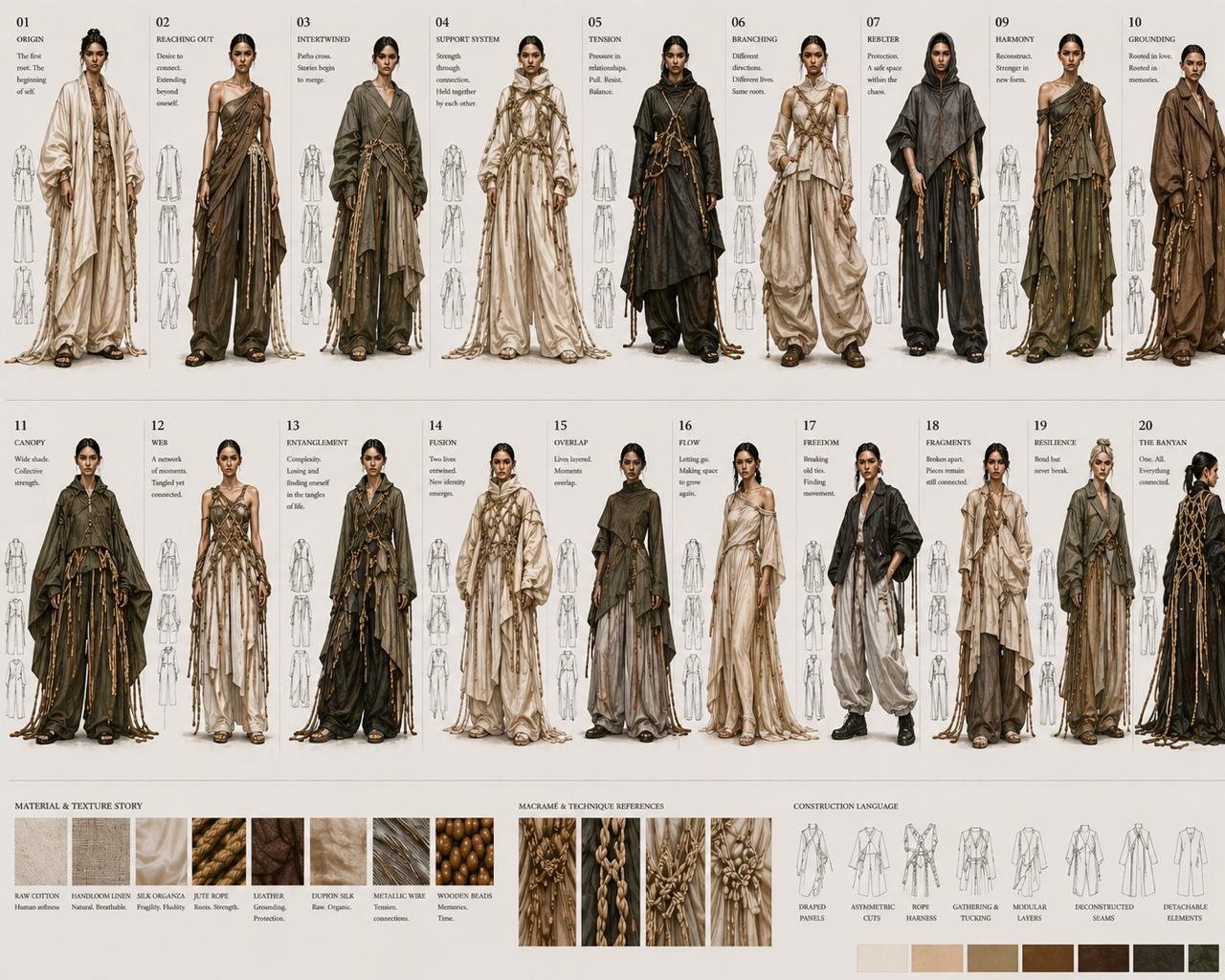
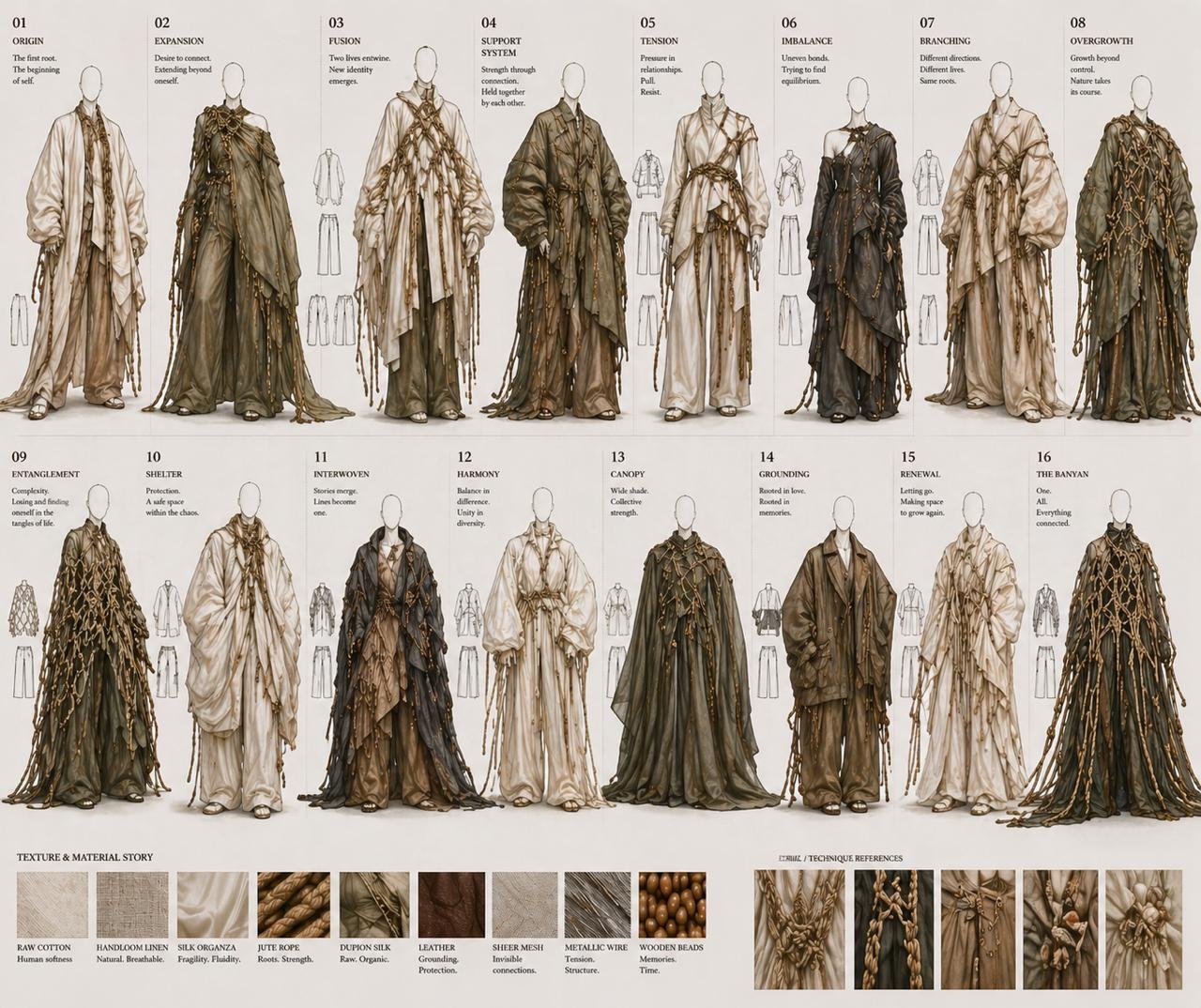
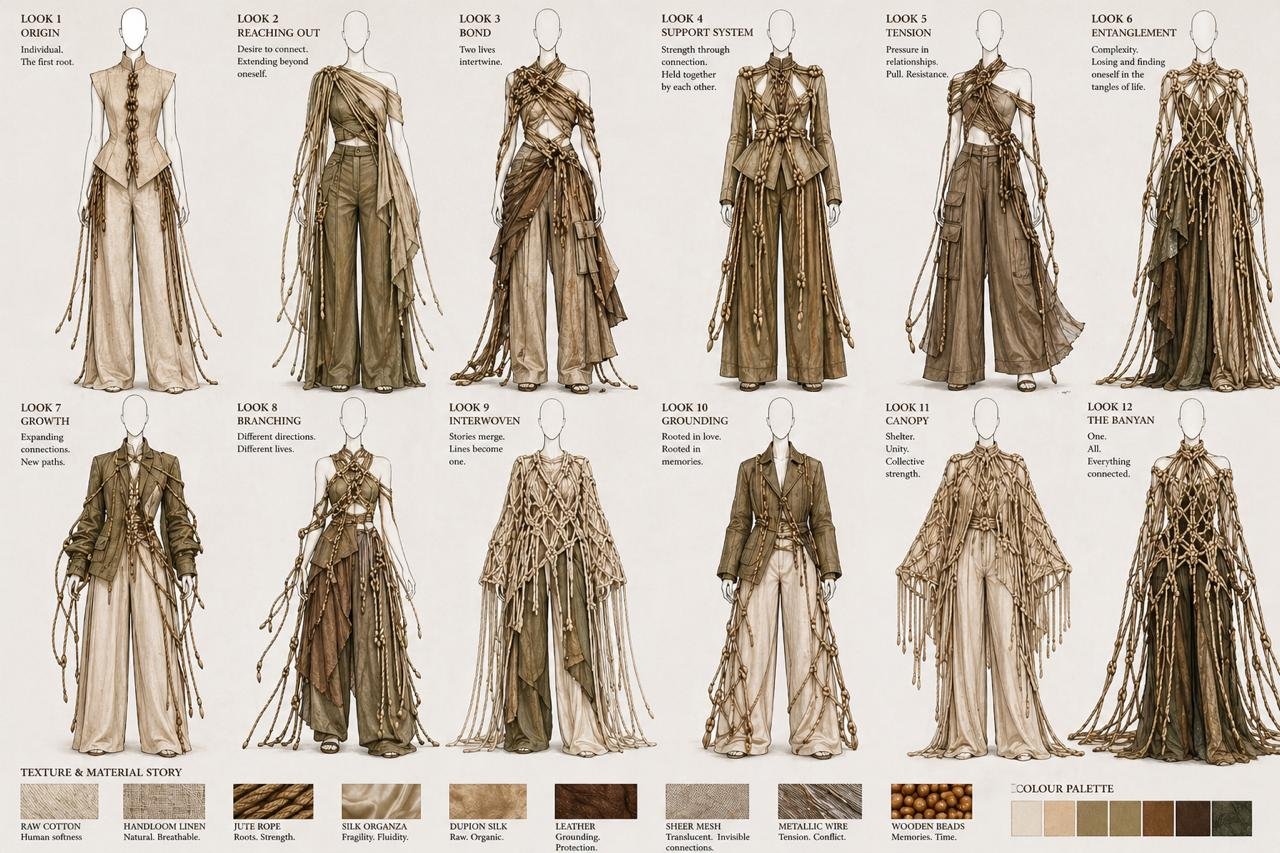
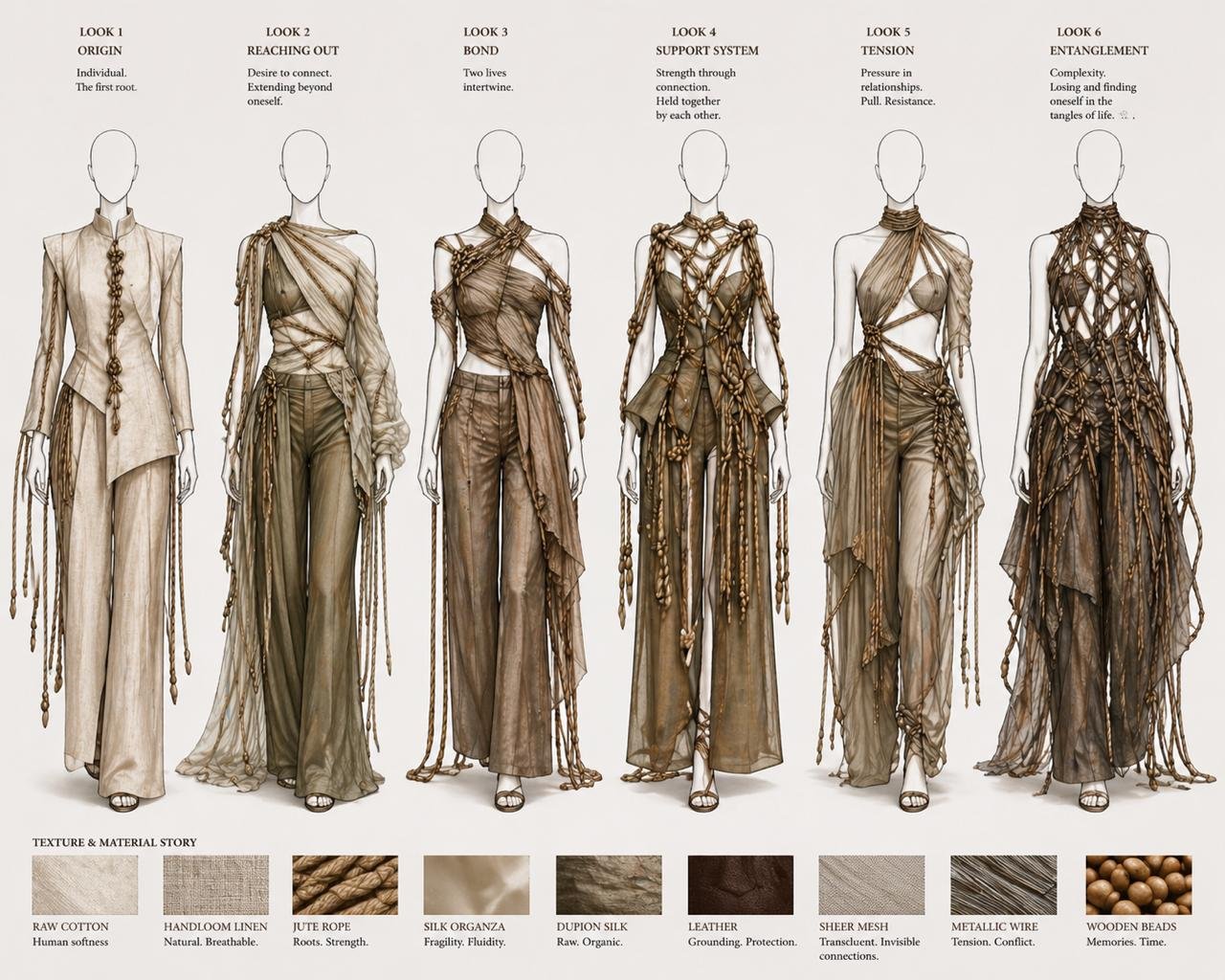
Human beings are fundamentally social creatures and their lives are greatly impacted by the relationships that surround them at various points in their lives. The desire for belonging and meaningful relationships is a fundamental human motivation. There are many studies which attempt to understand this fundamental human need and it is seen to form part of a person’s development to full human potential. The various systems of social relationships and the connections we make throughout our lives help shape our individuality and form the core of who we are as individuals. A person is born into a family and as they grow up, they develop relationships with their peers and develop groups of friends, who support and help them to grow as a person with the help of mentors and a network of other helpful companions, who are there to help in times of need and guide them through the many challenges that life throws at them.
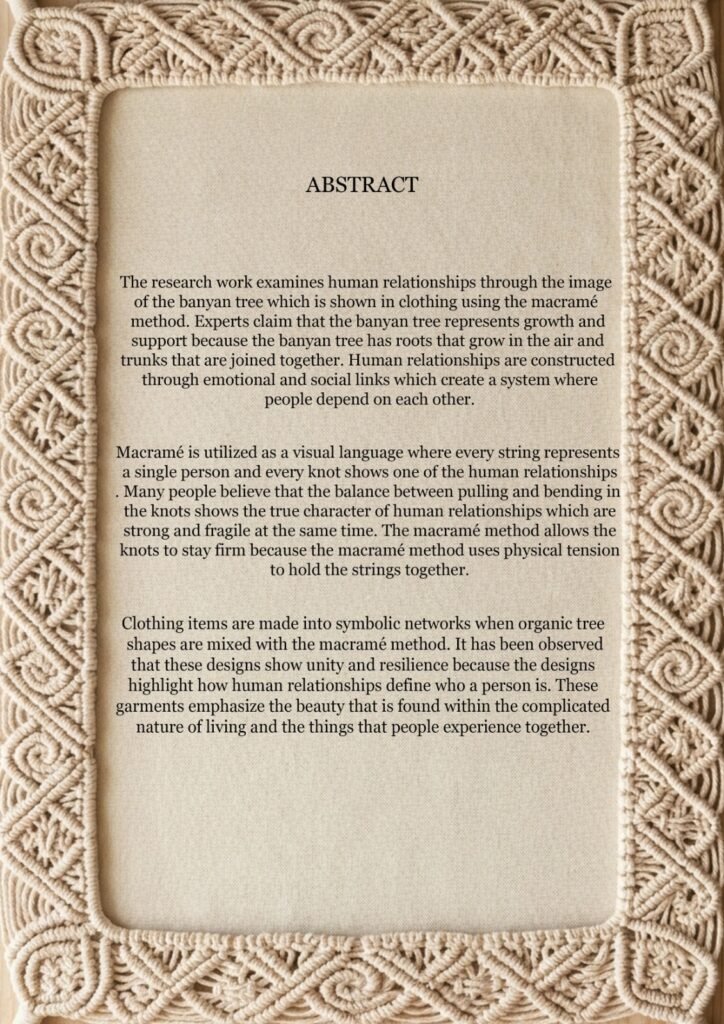
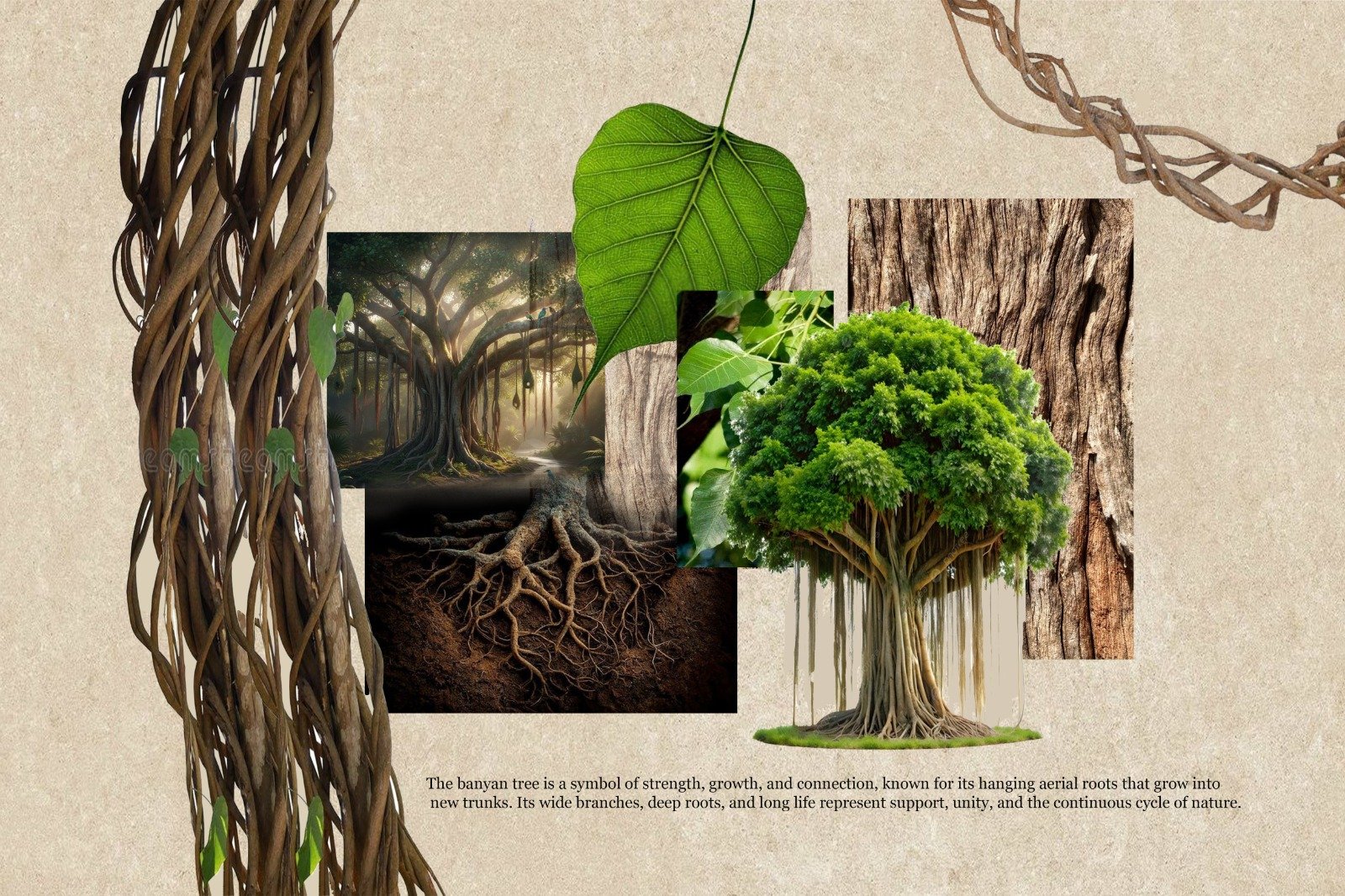
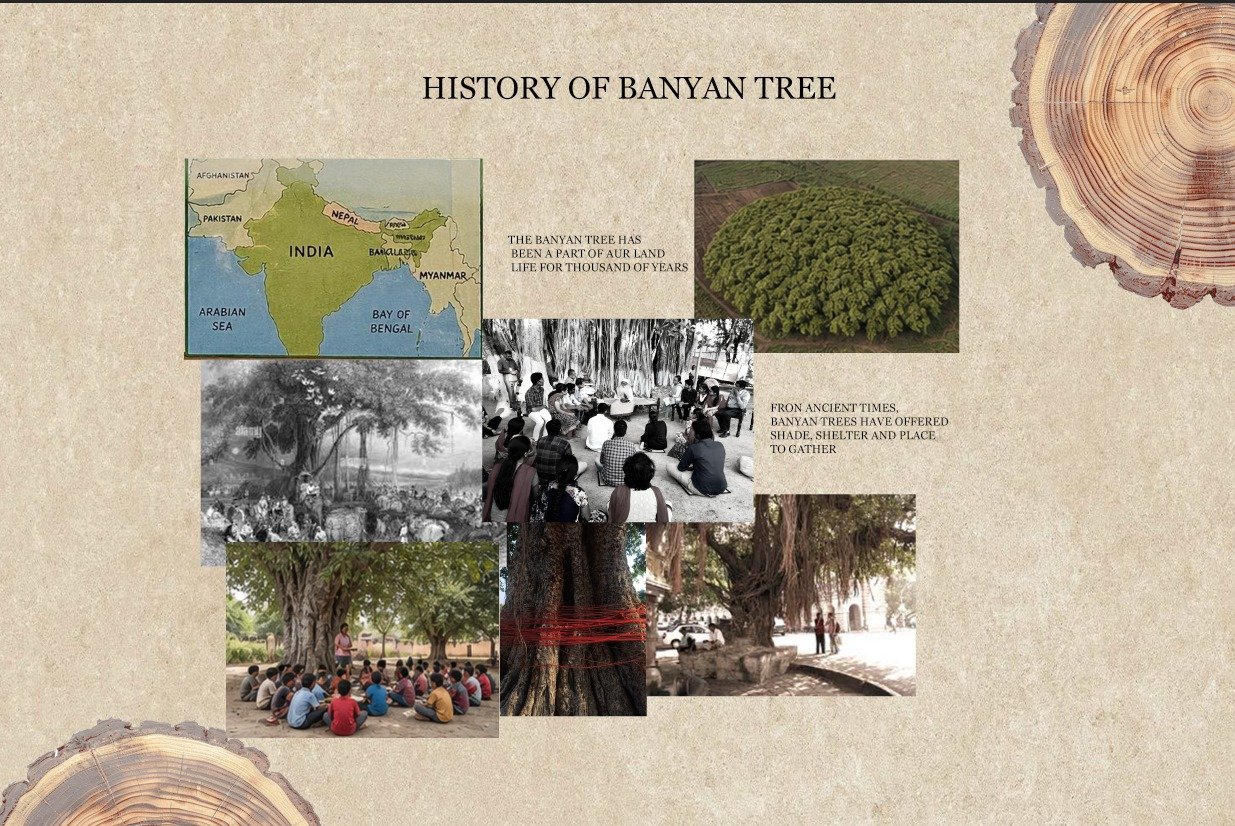
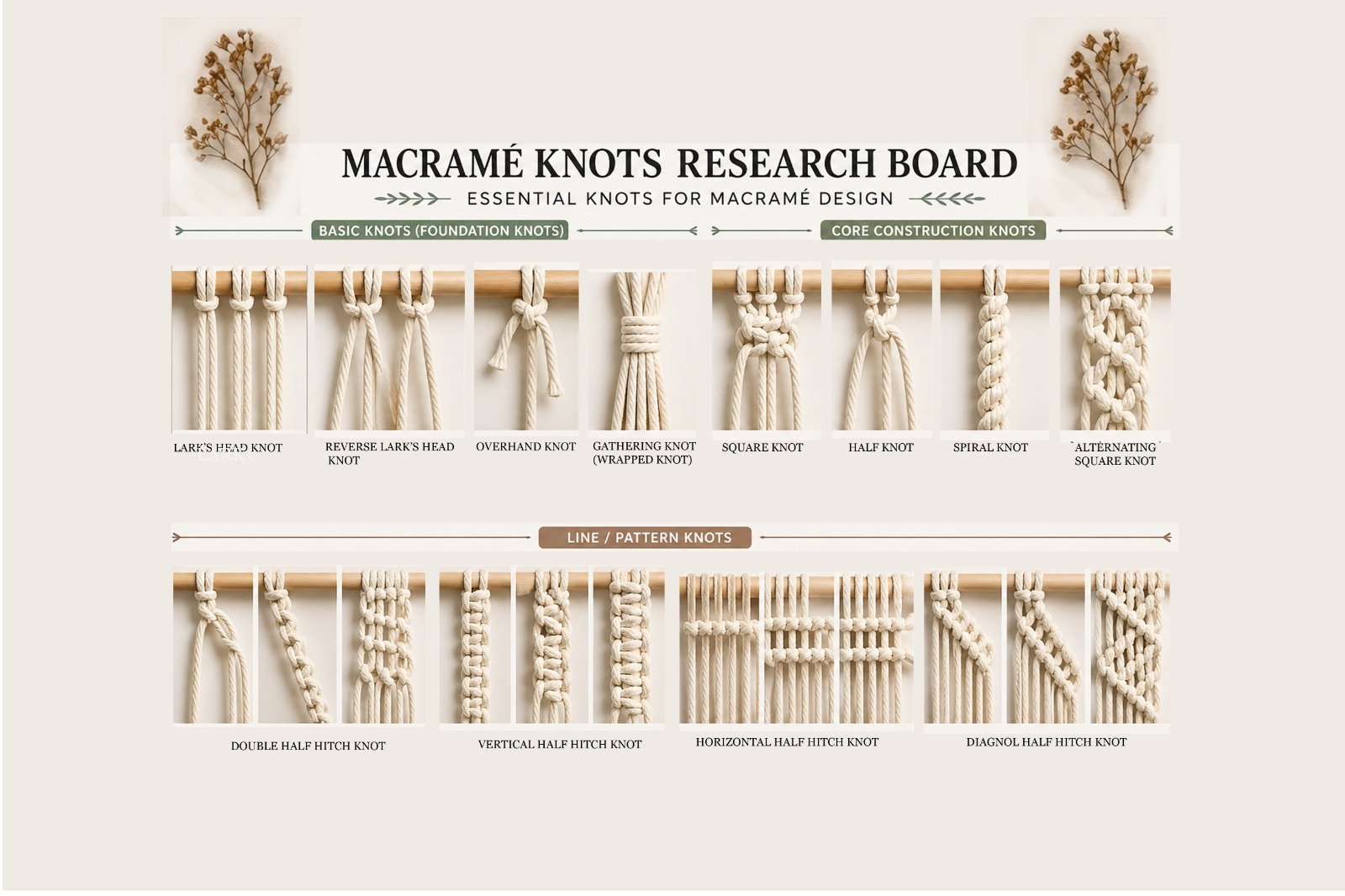
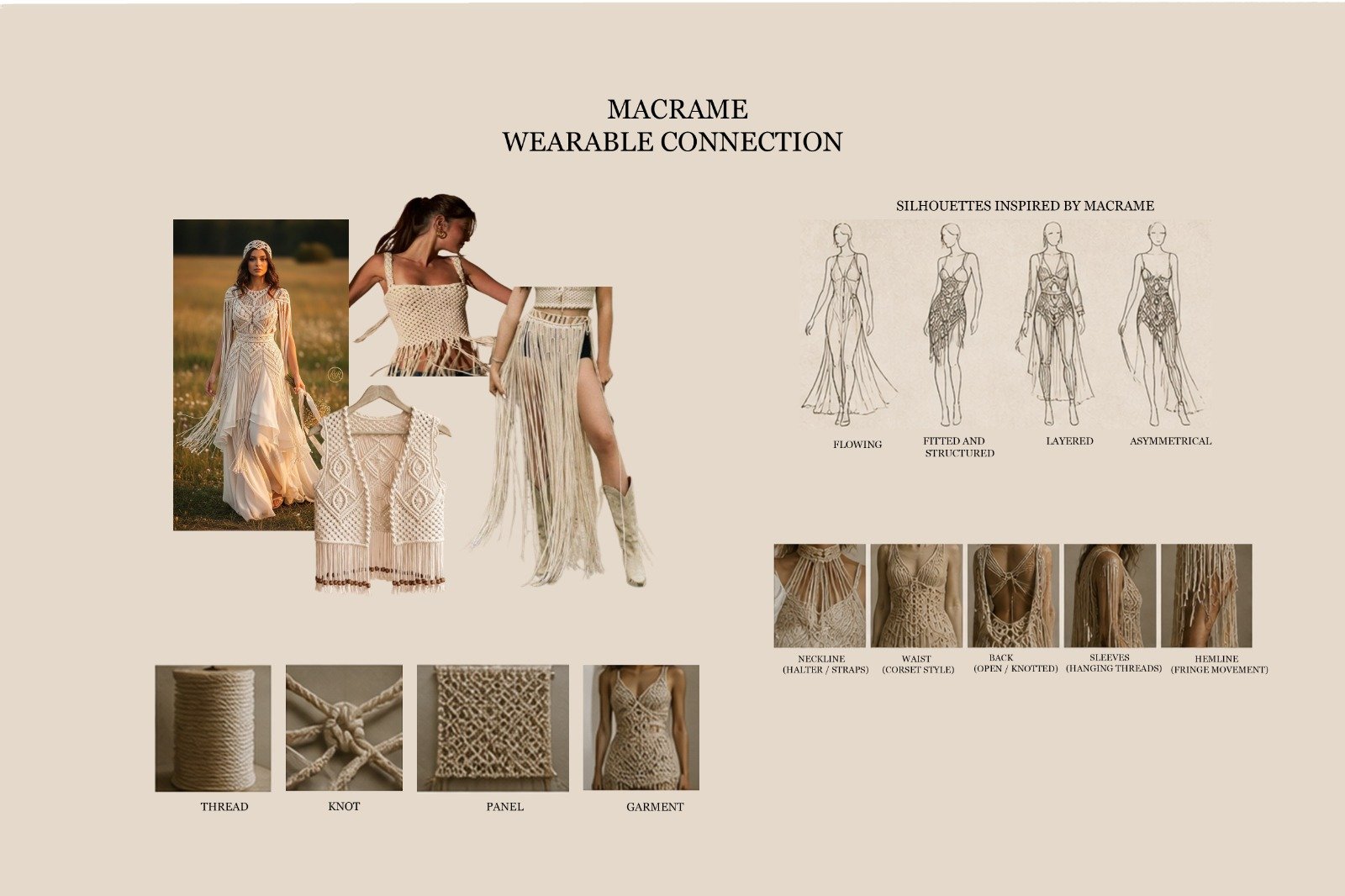
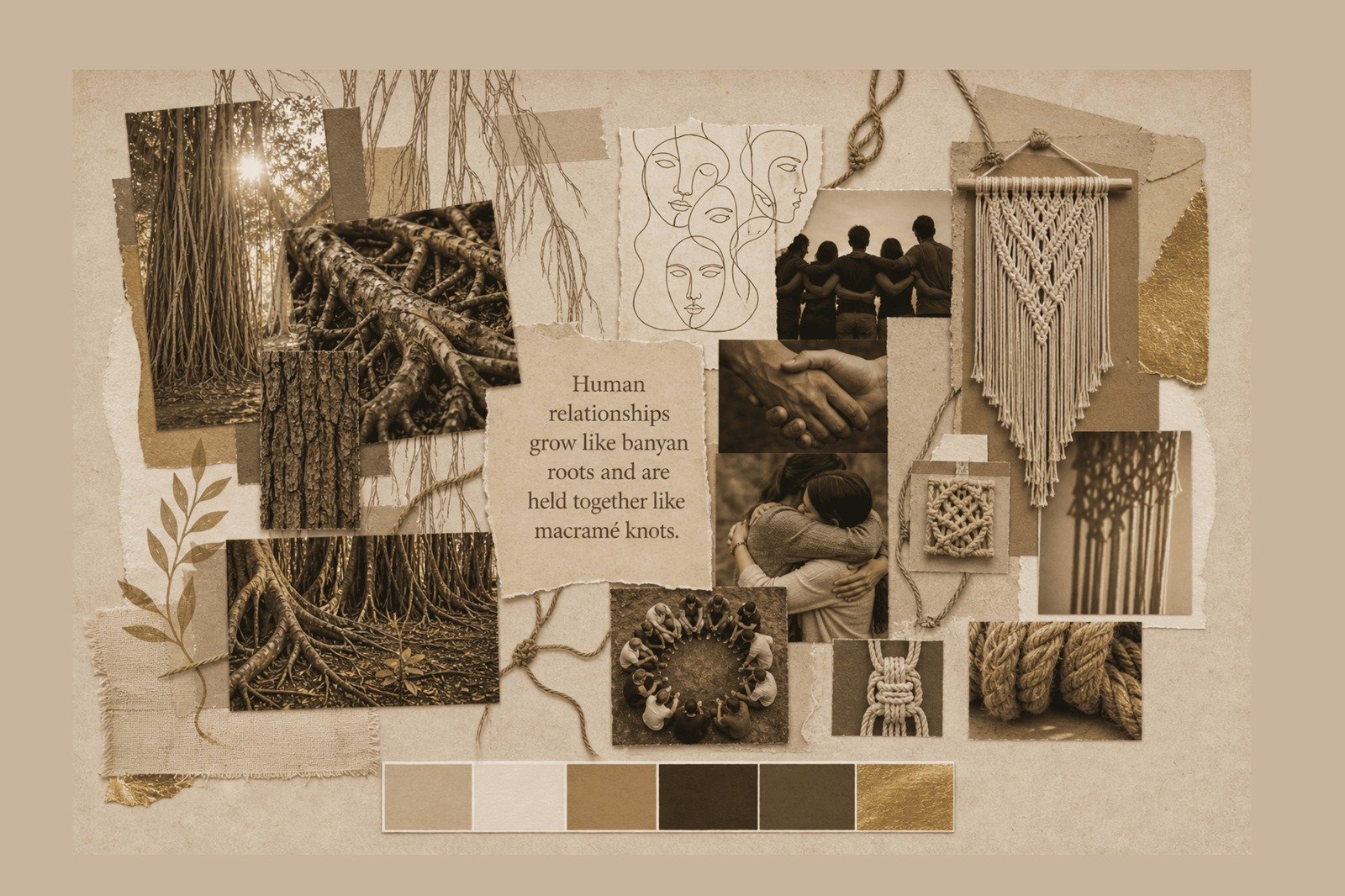
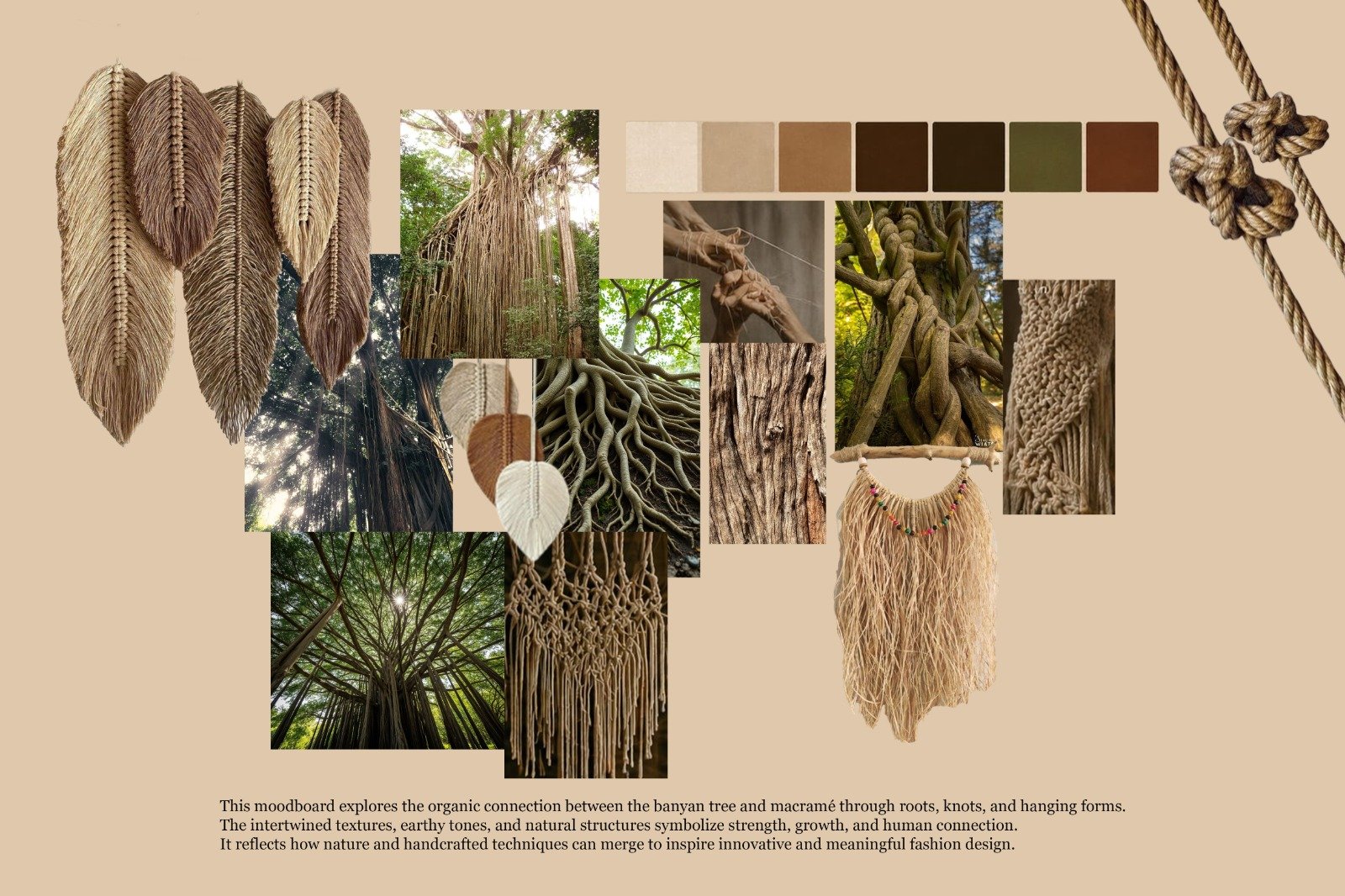
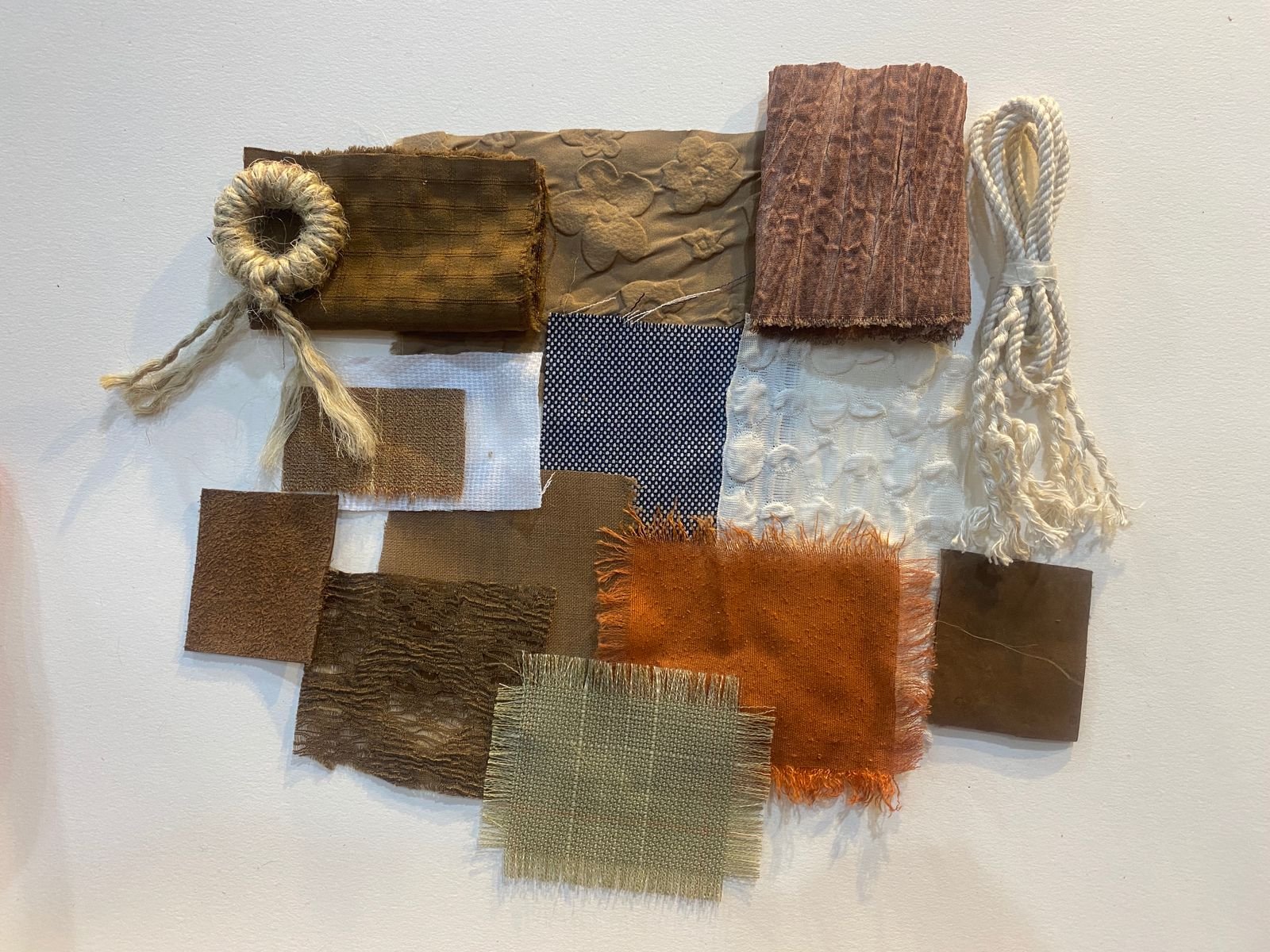
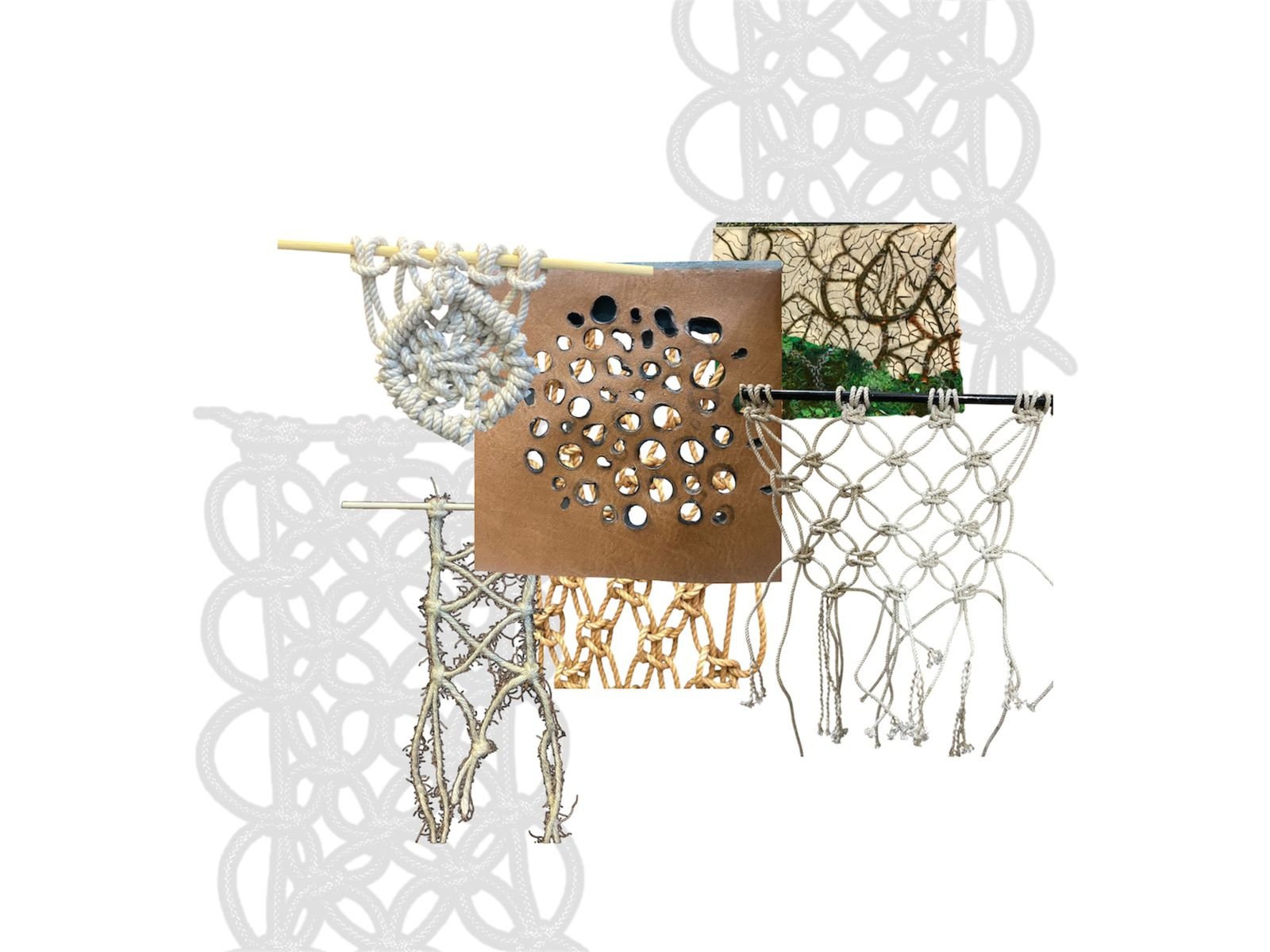
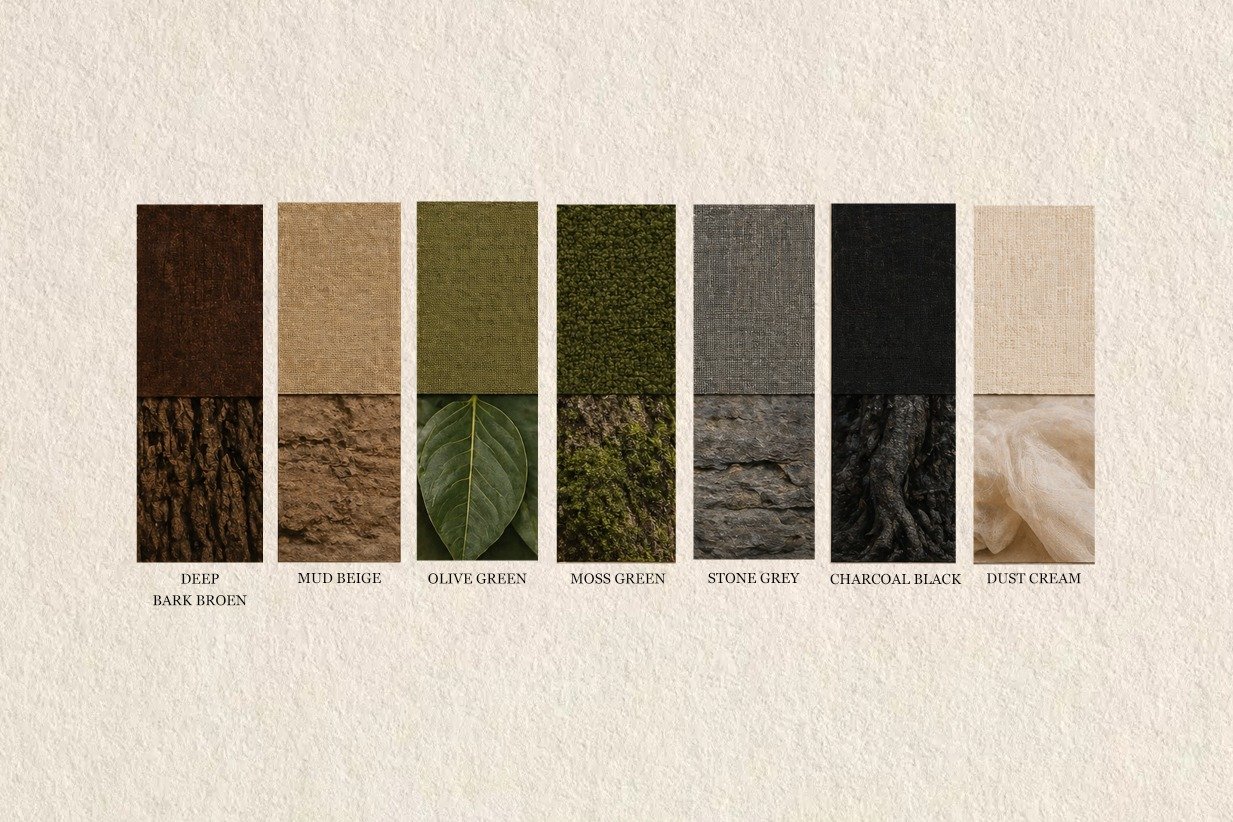
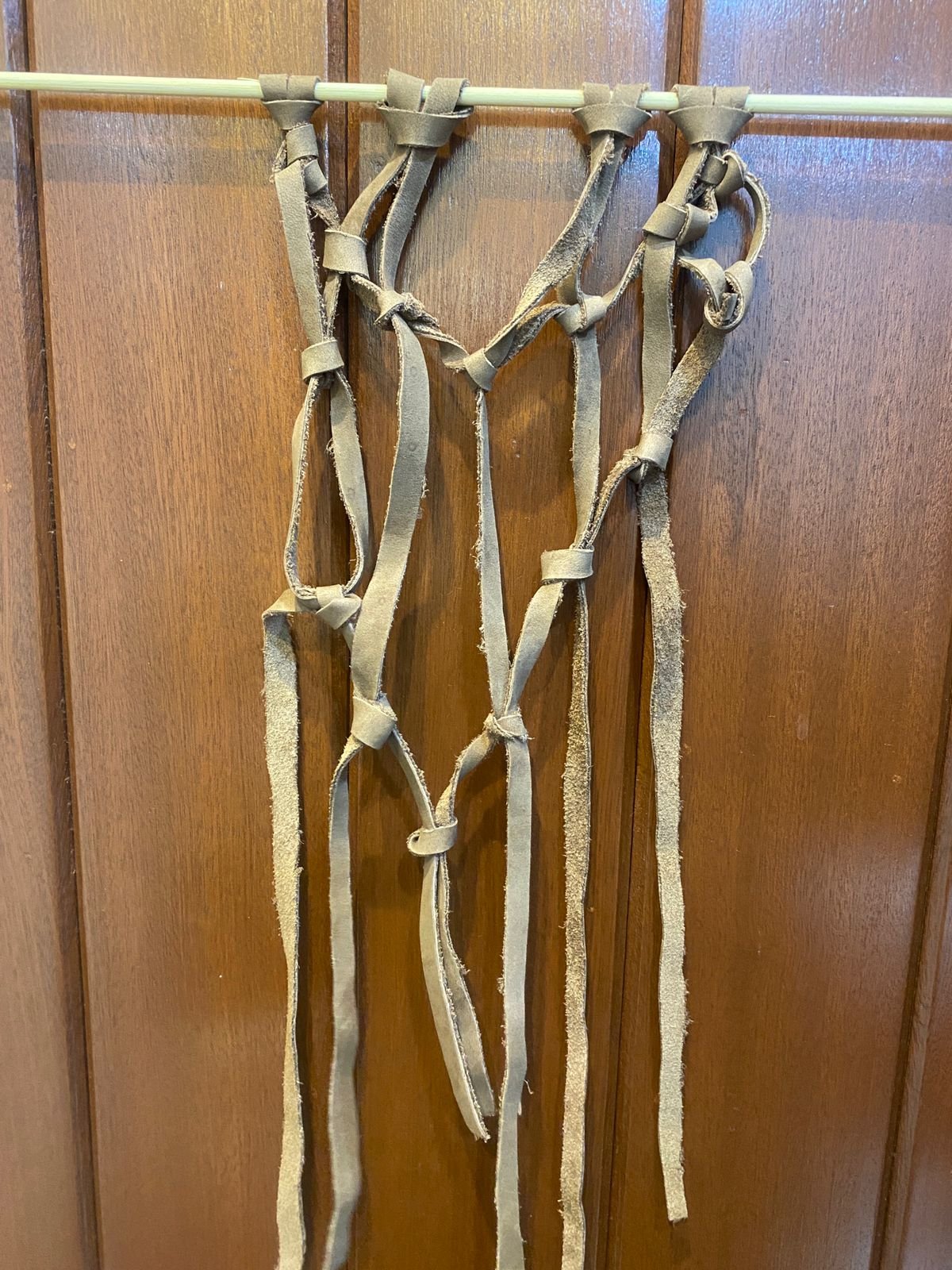
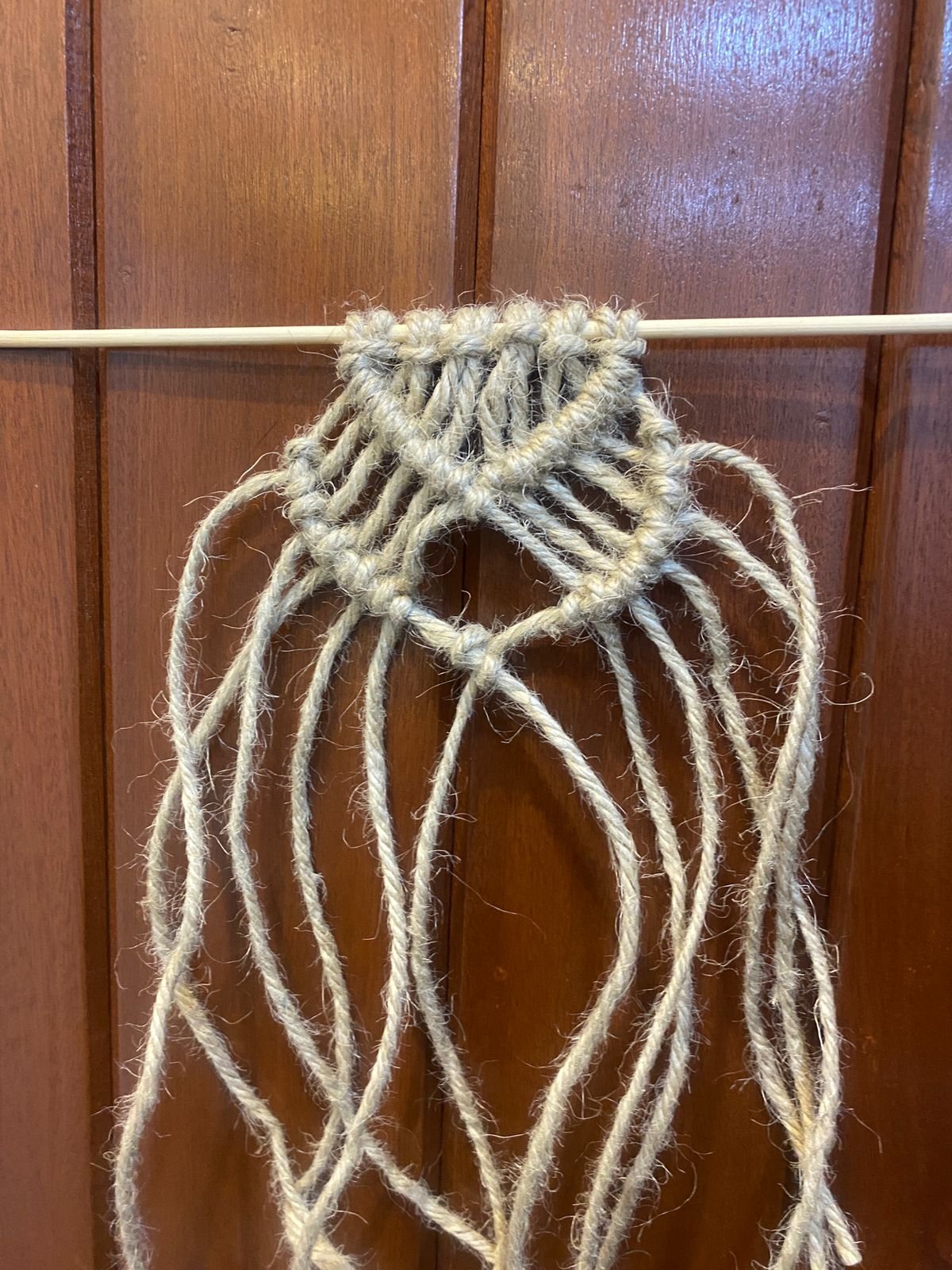
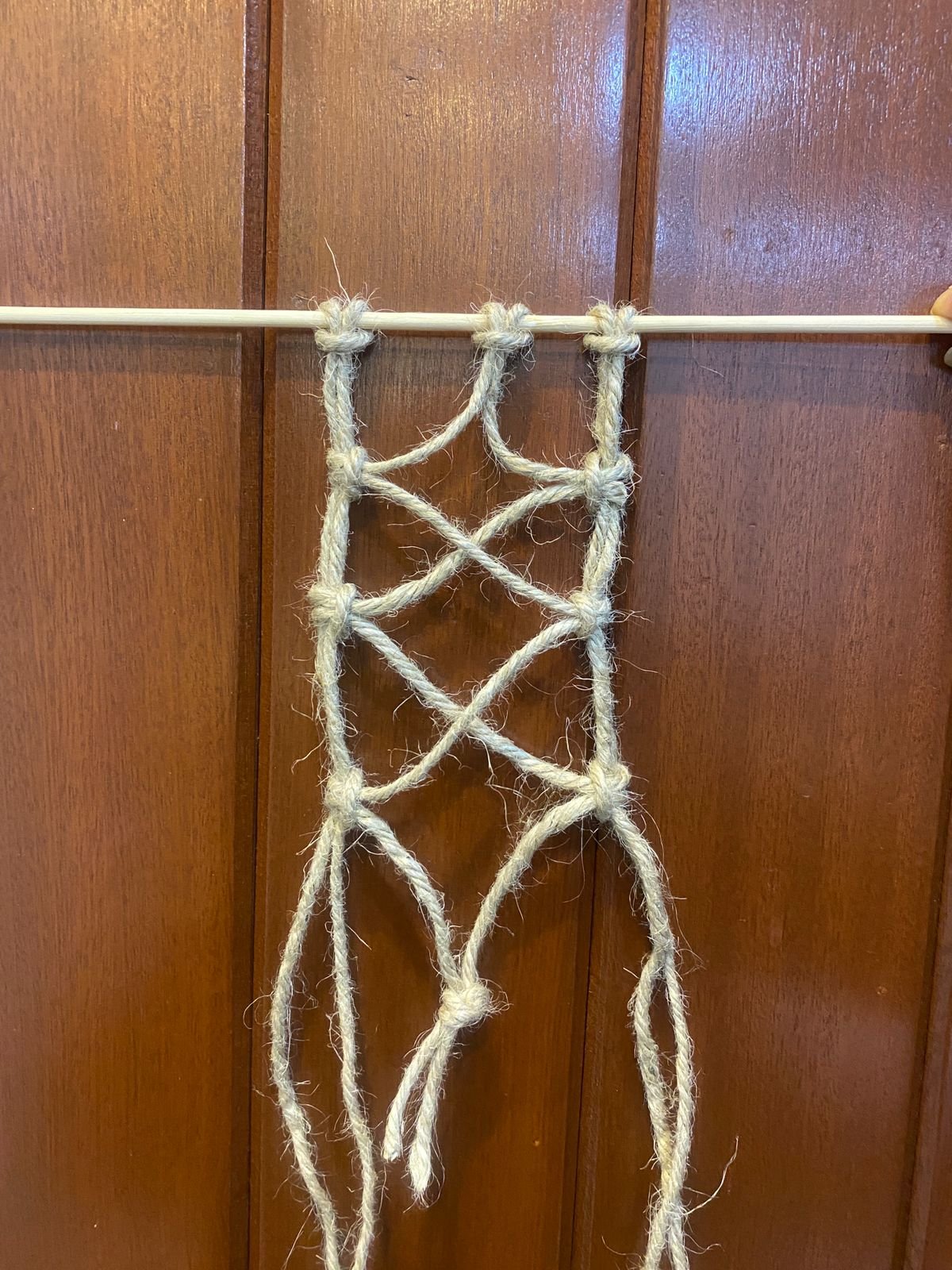
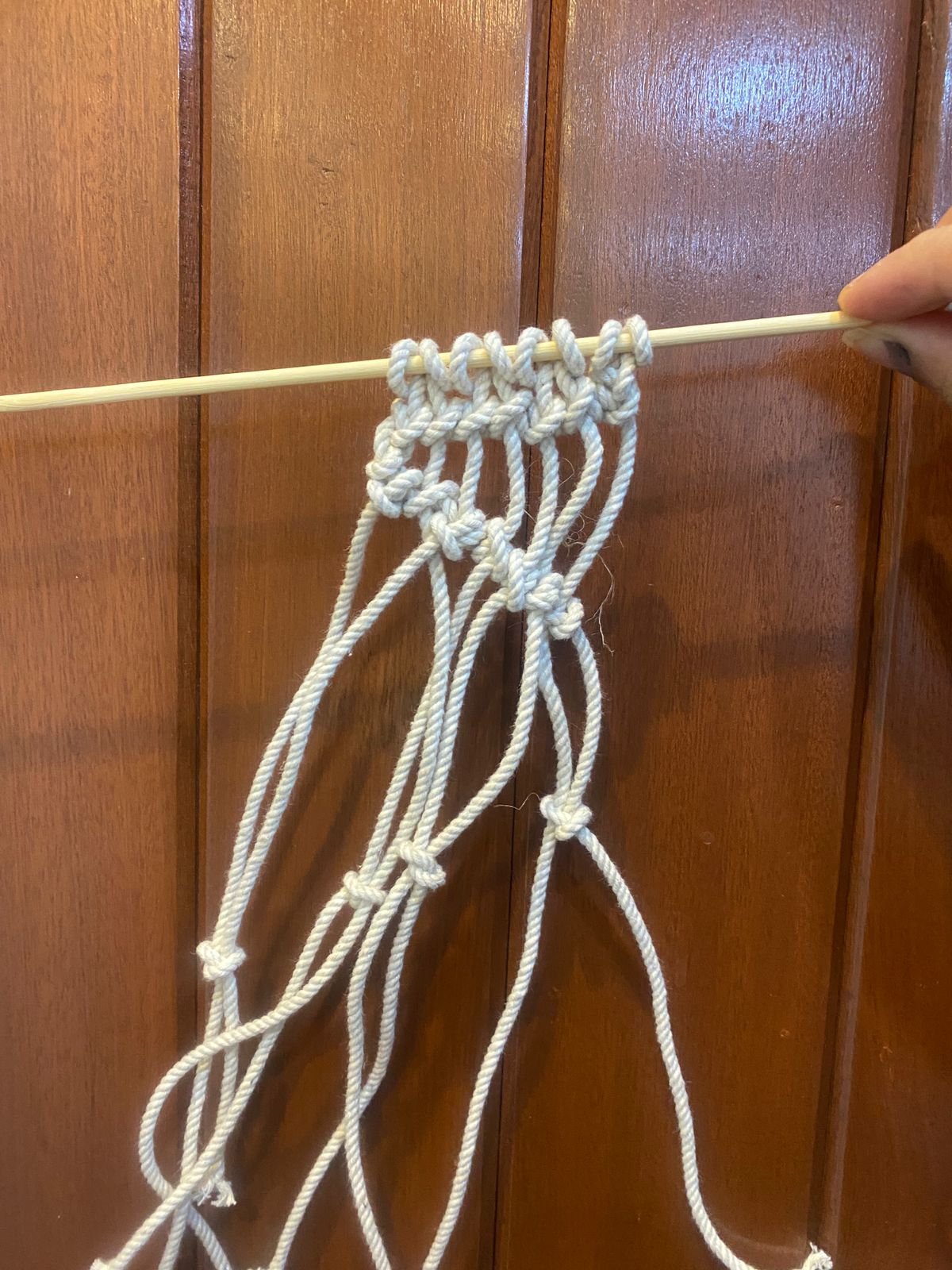
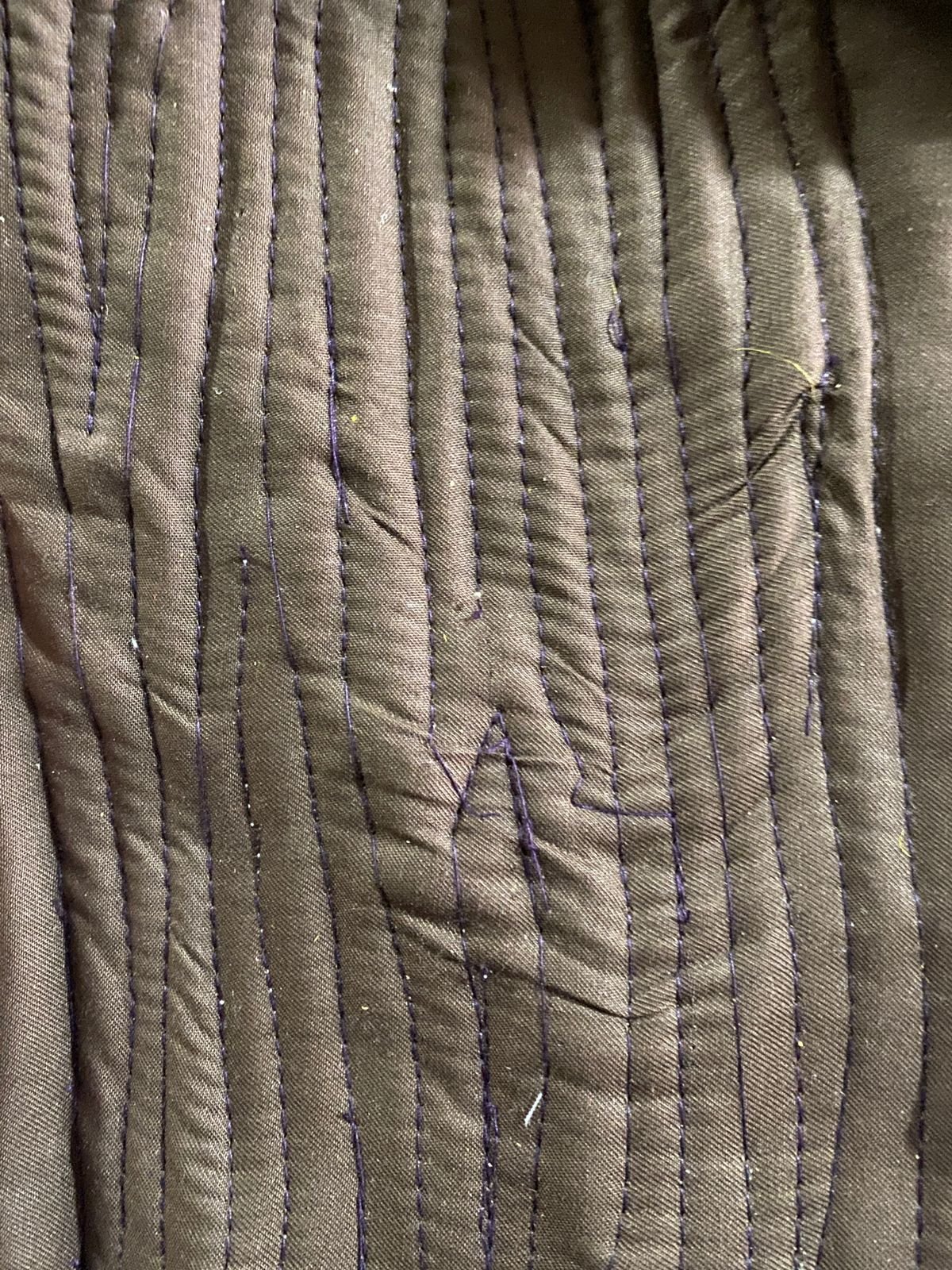
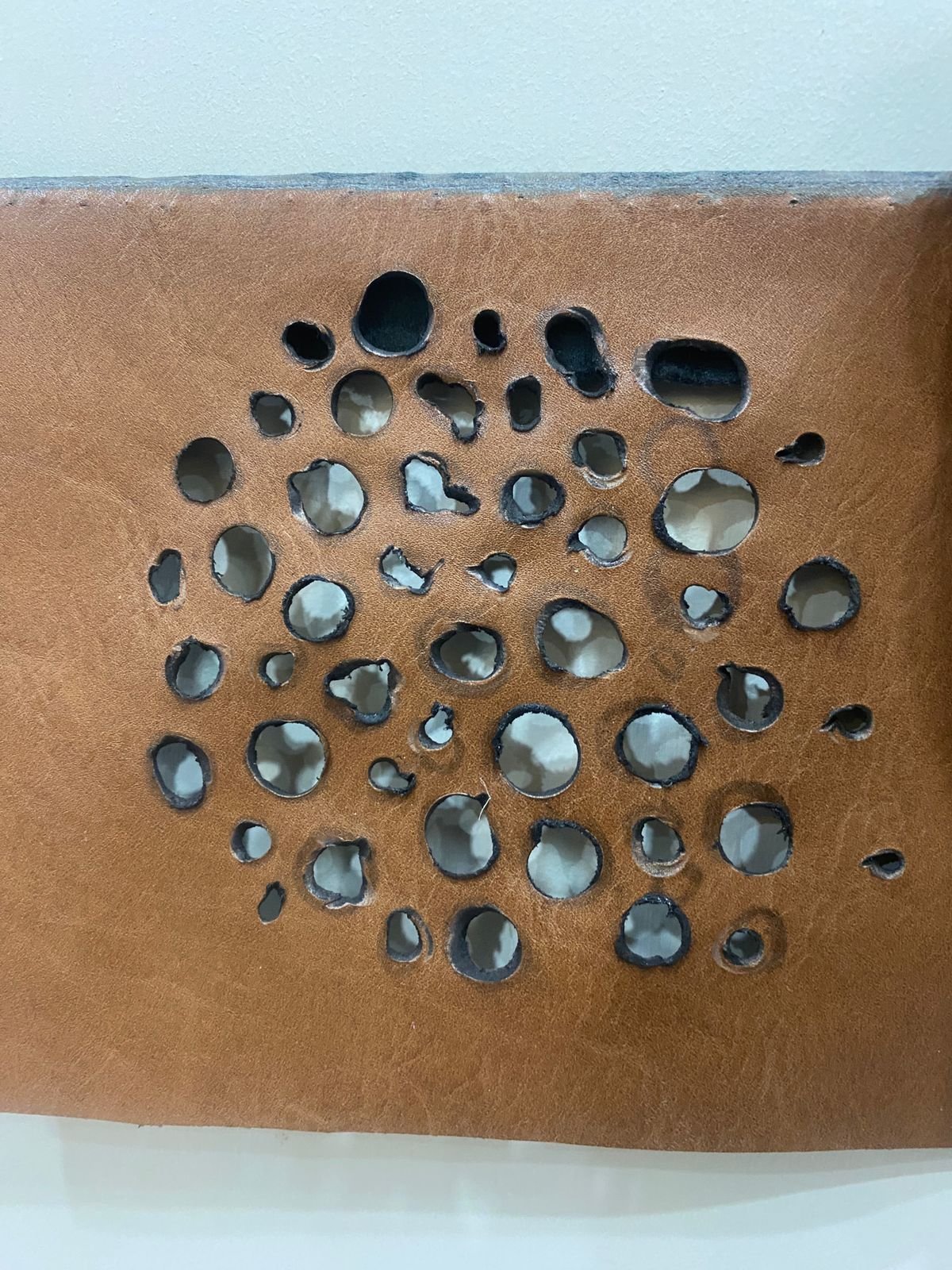
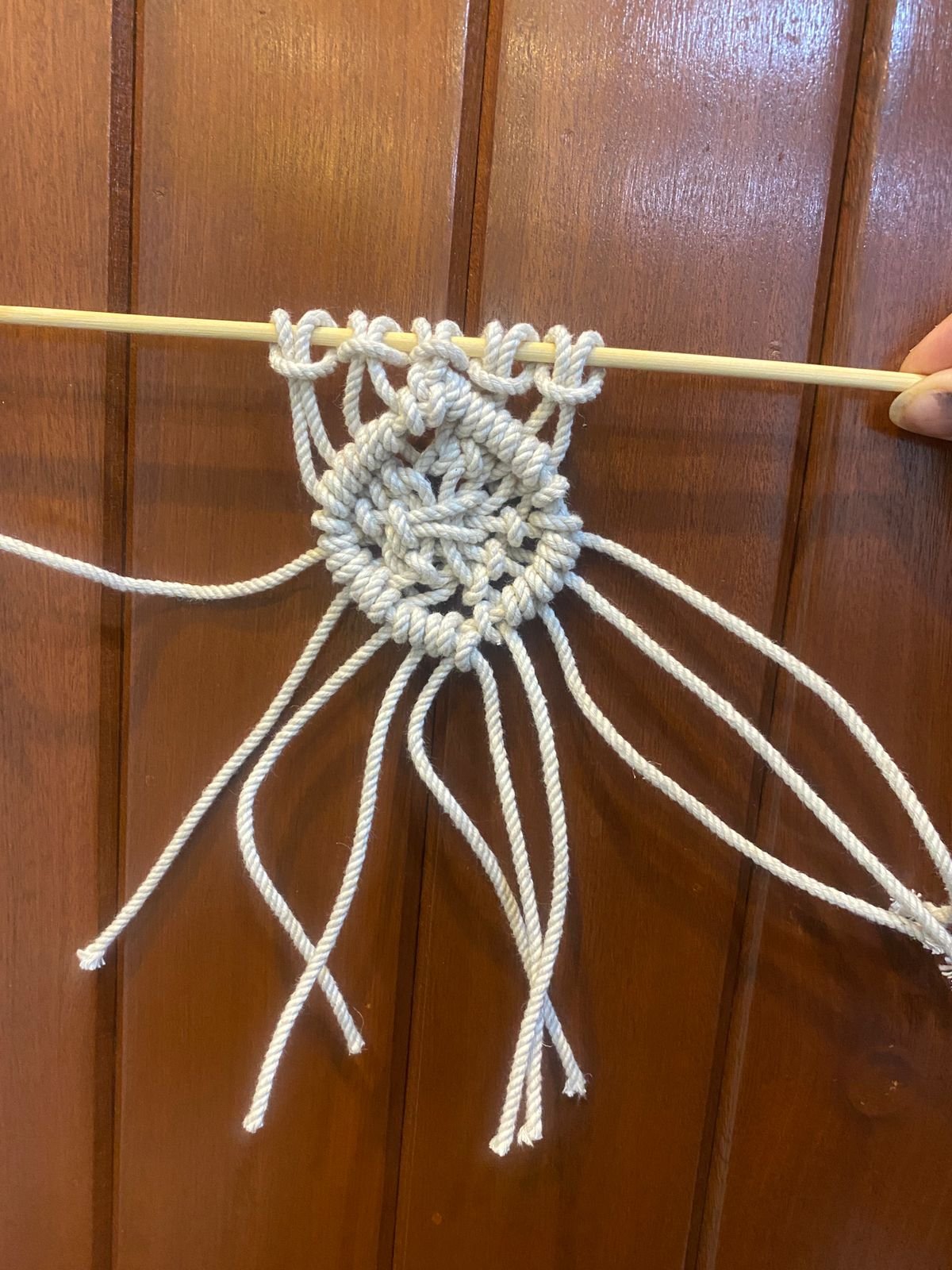
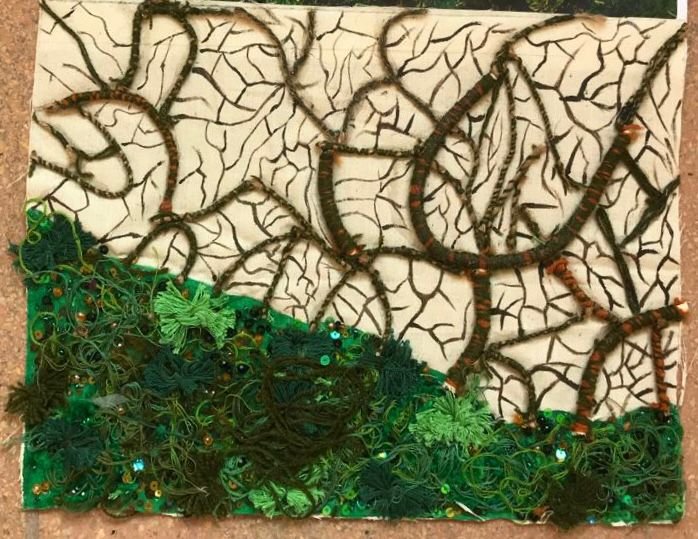
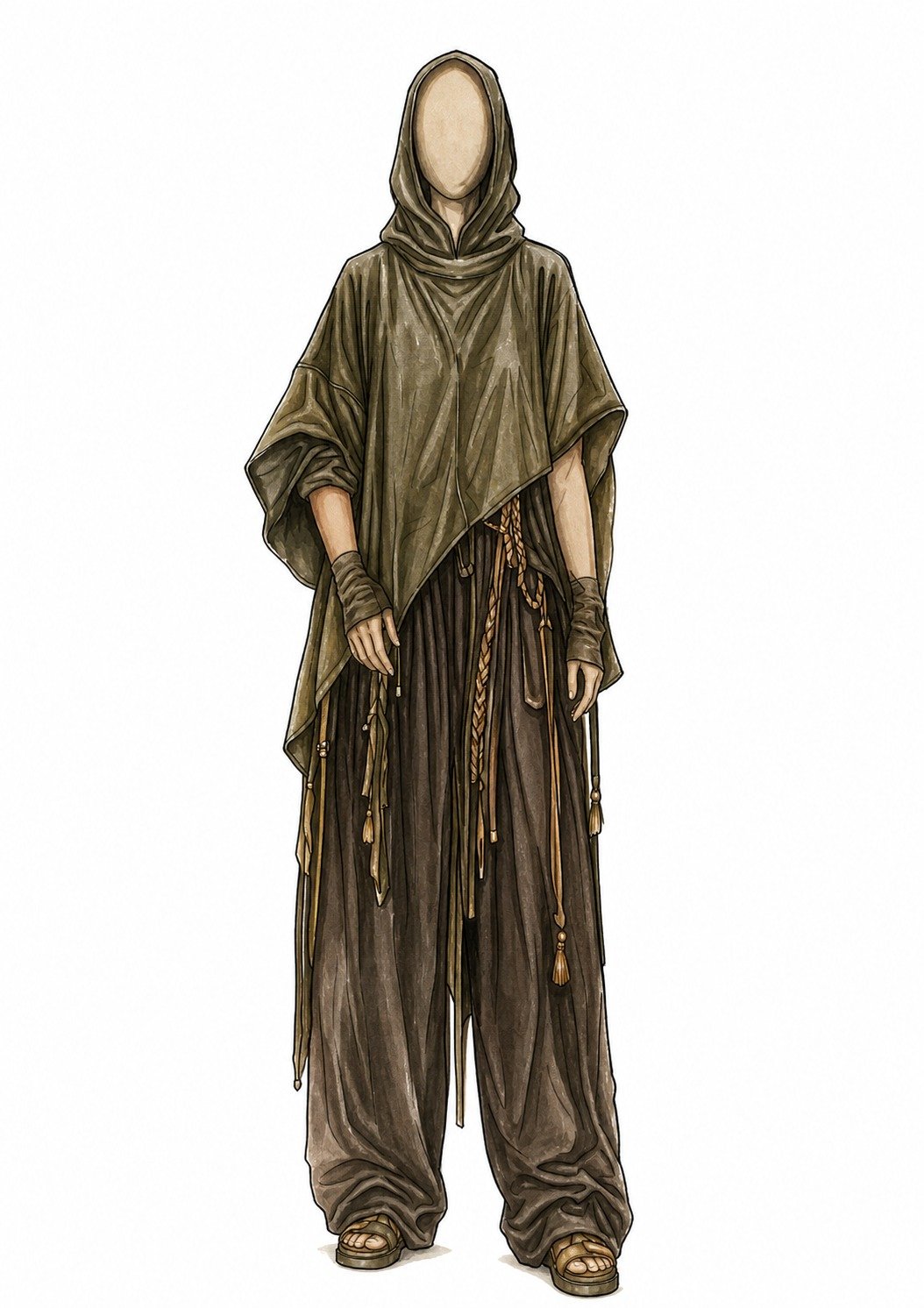
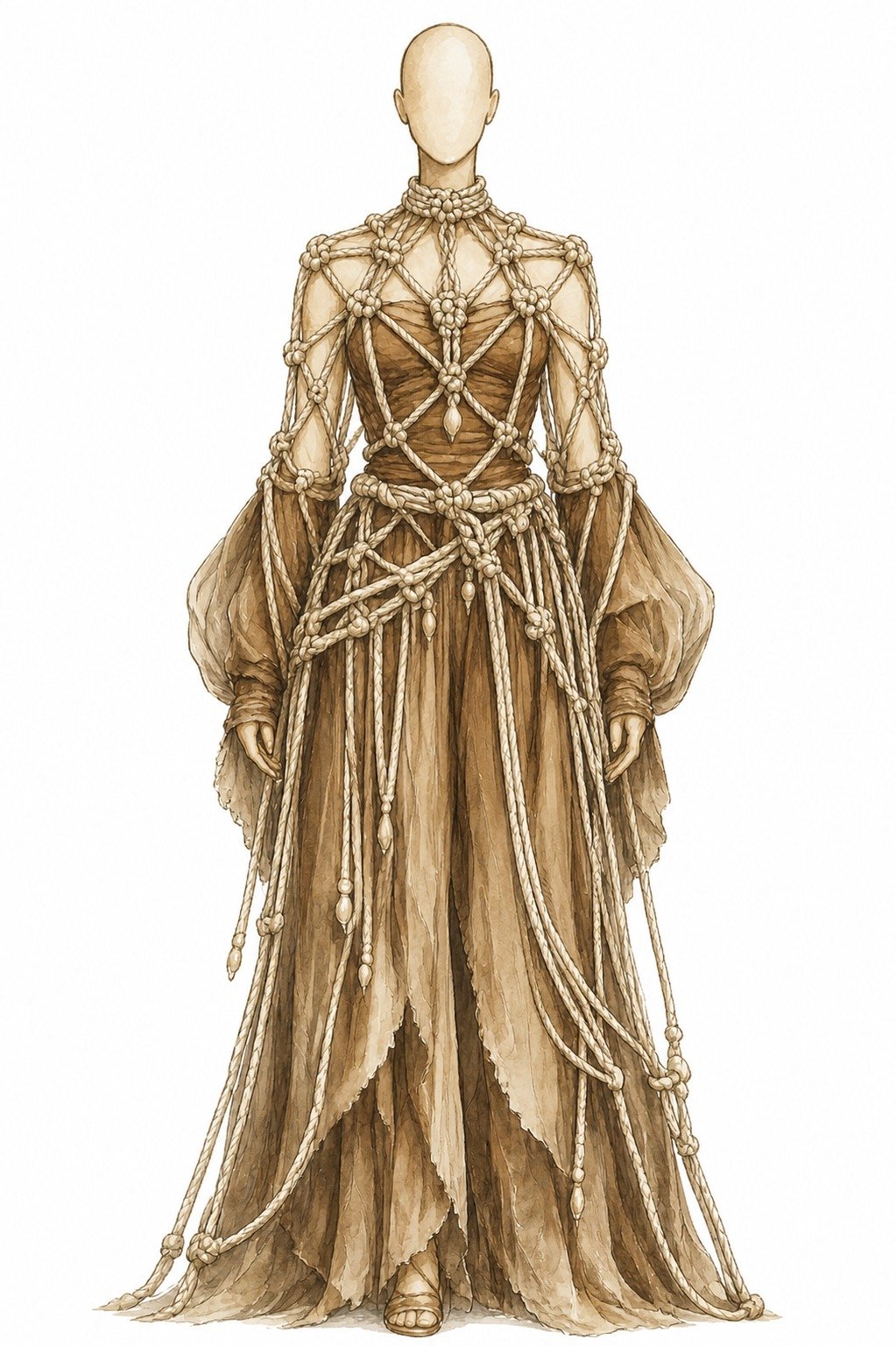
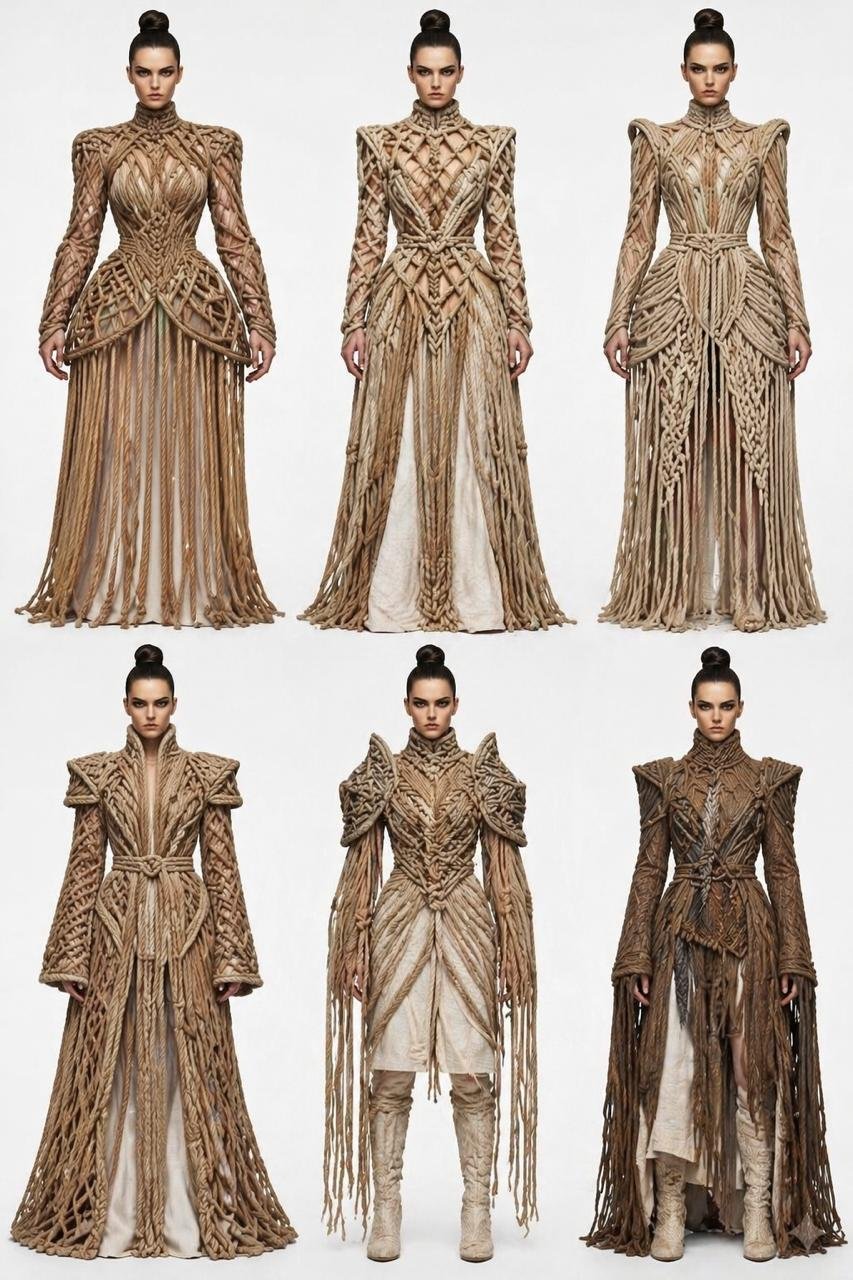
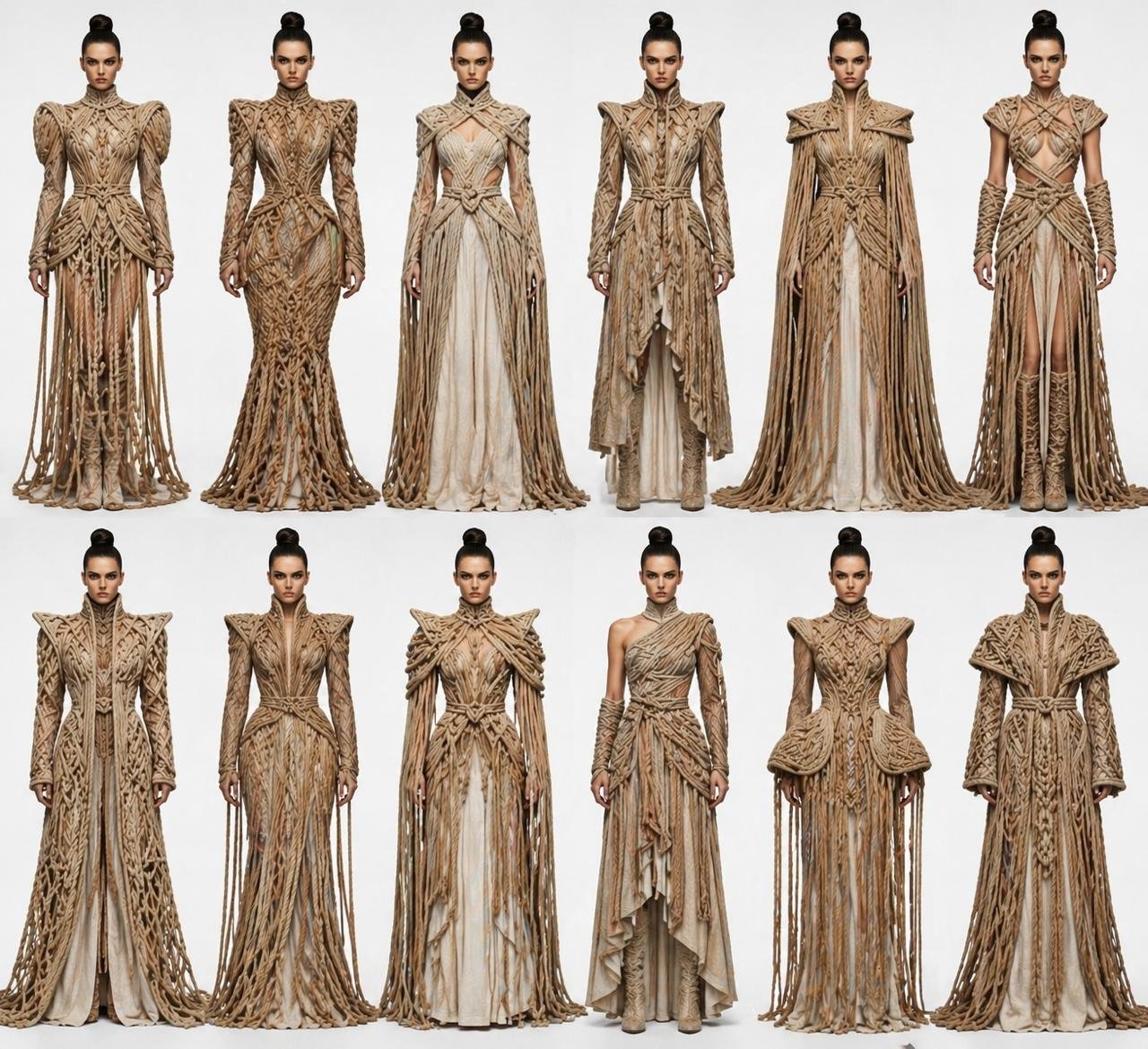
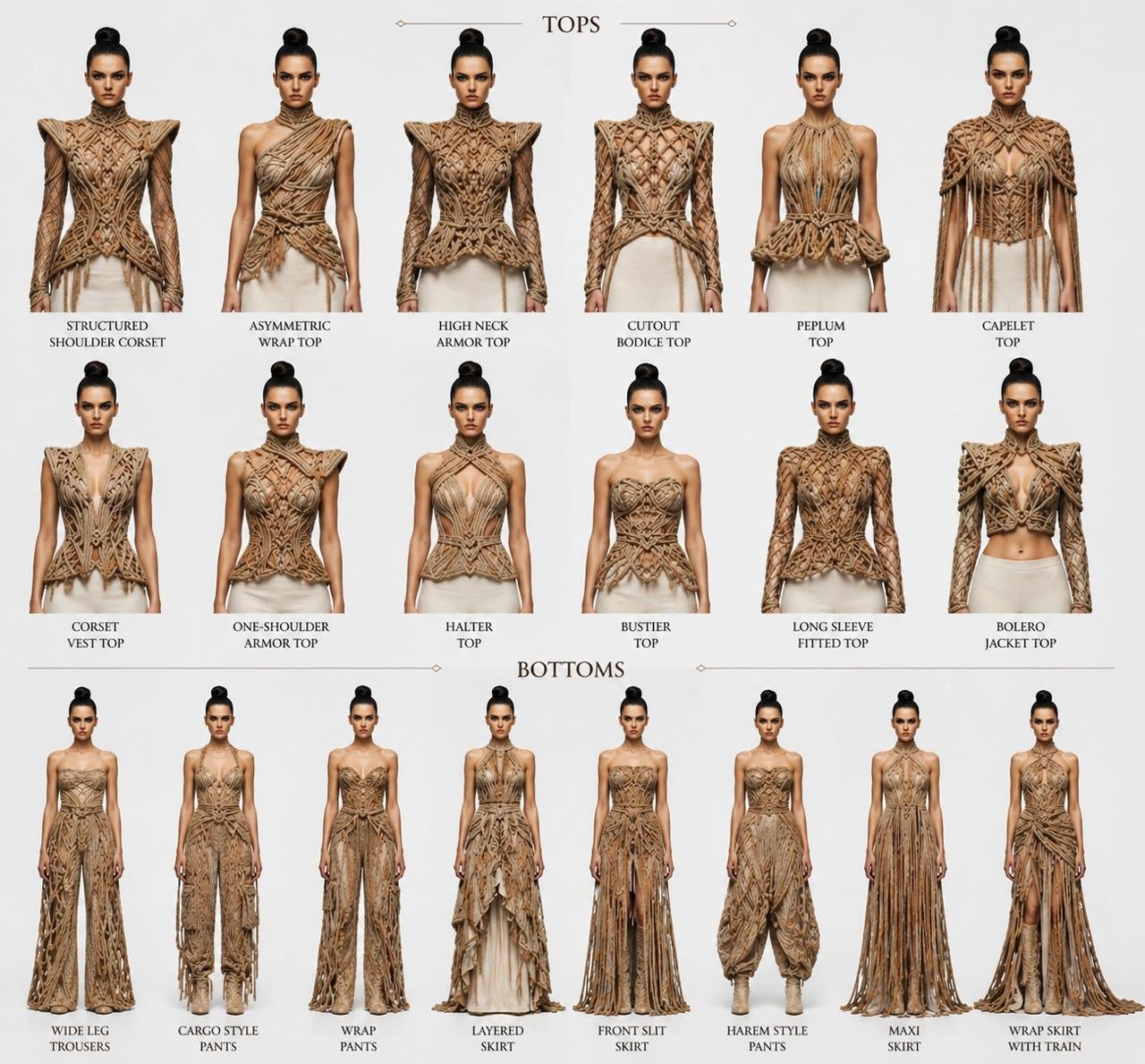
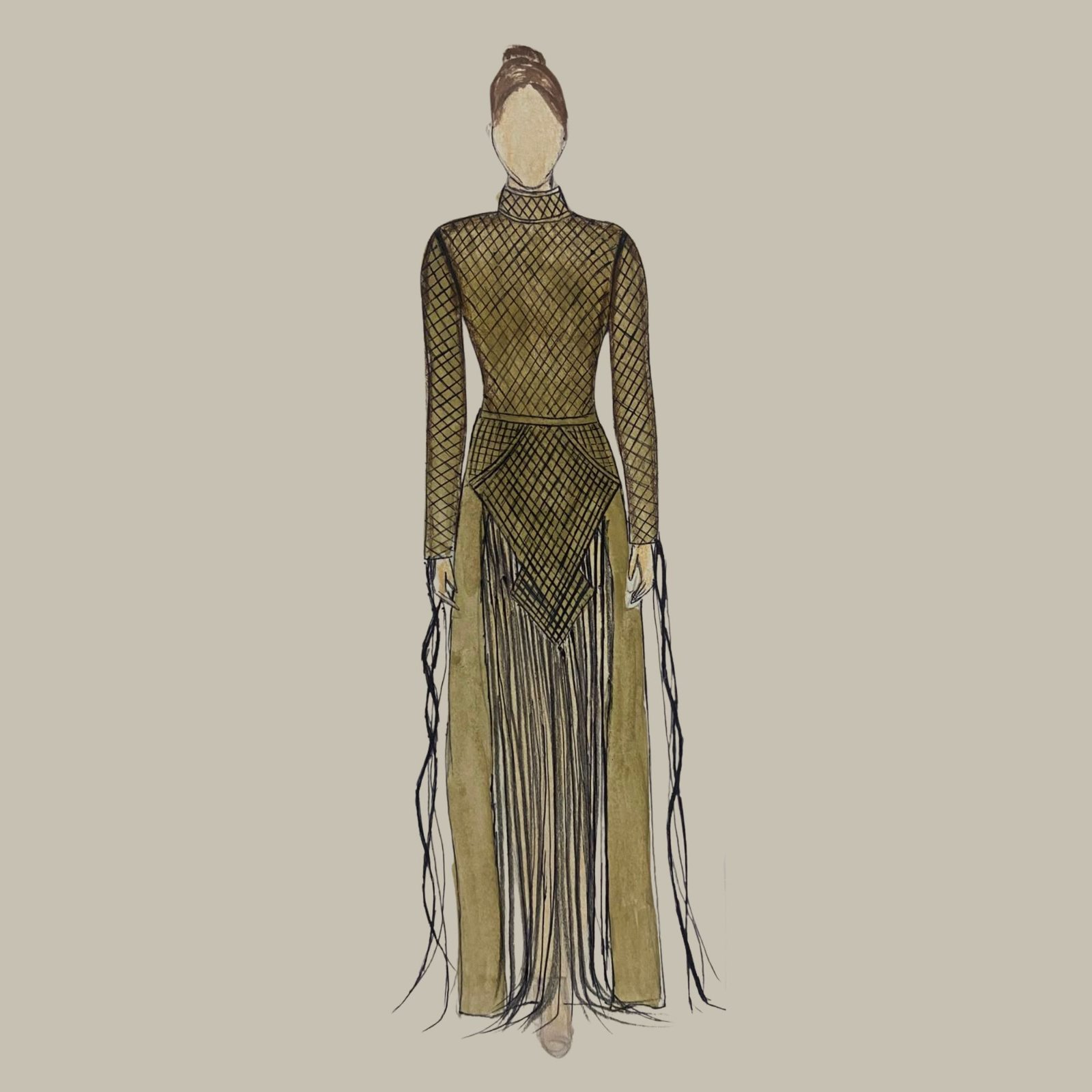
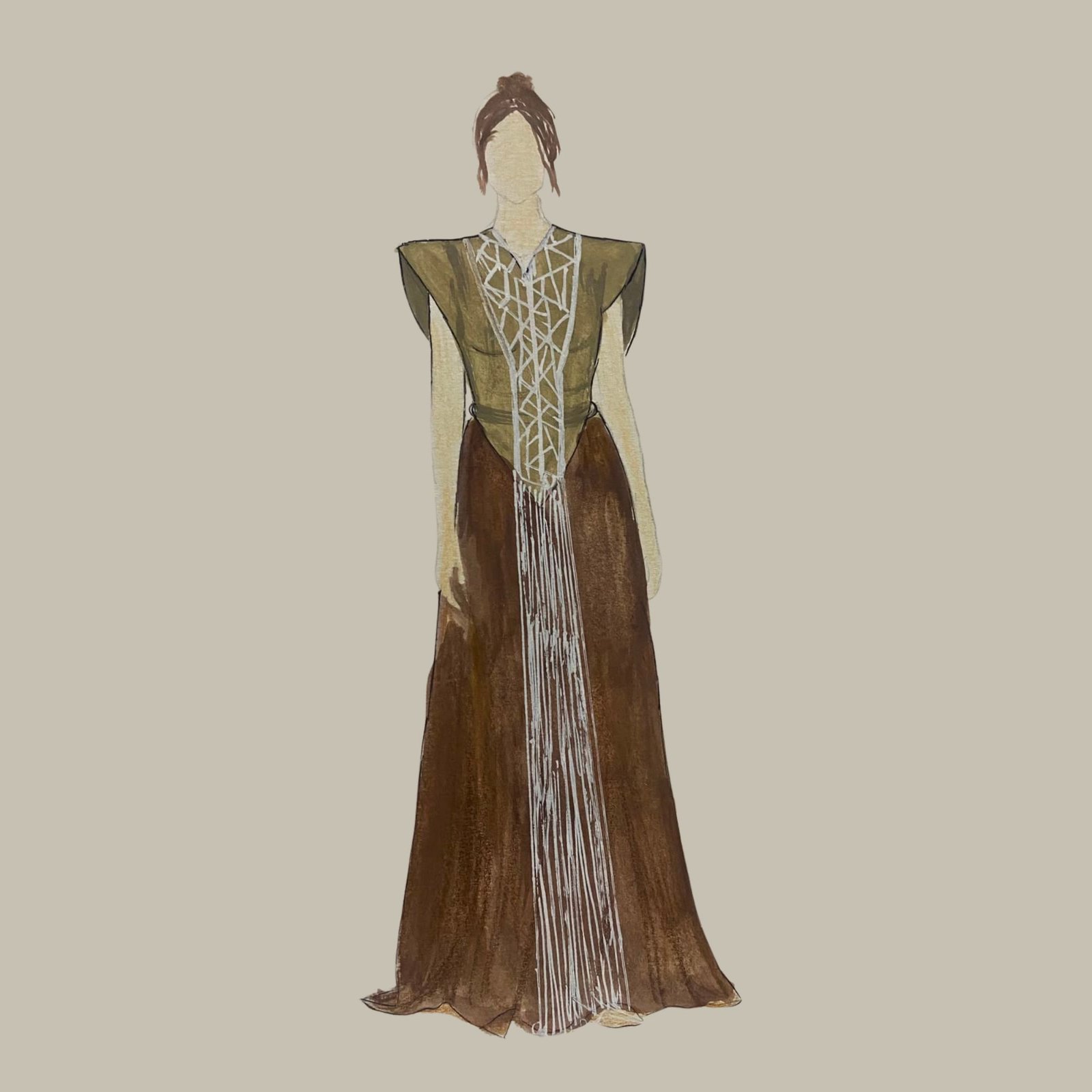
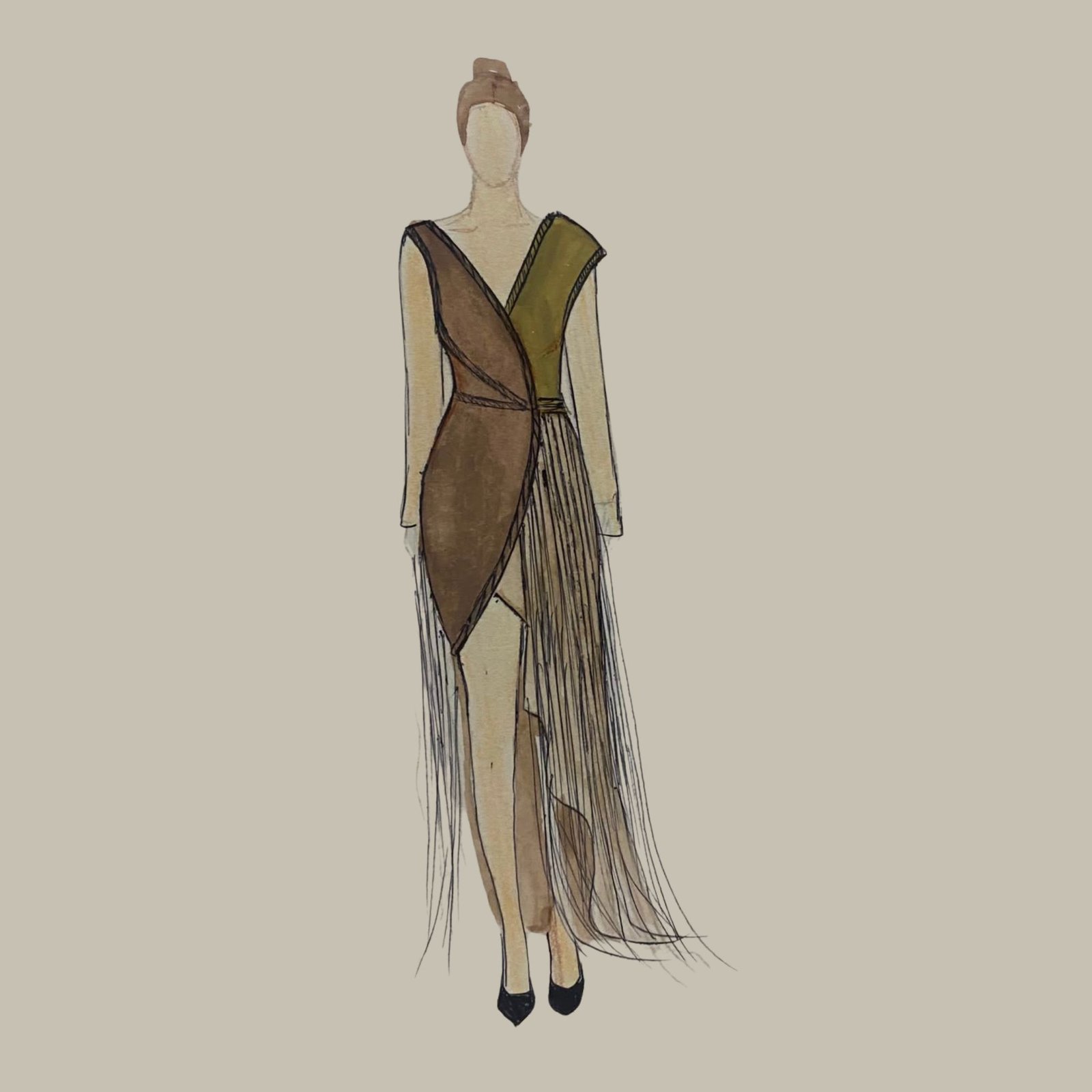
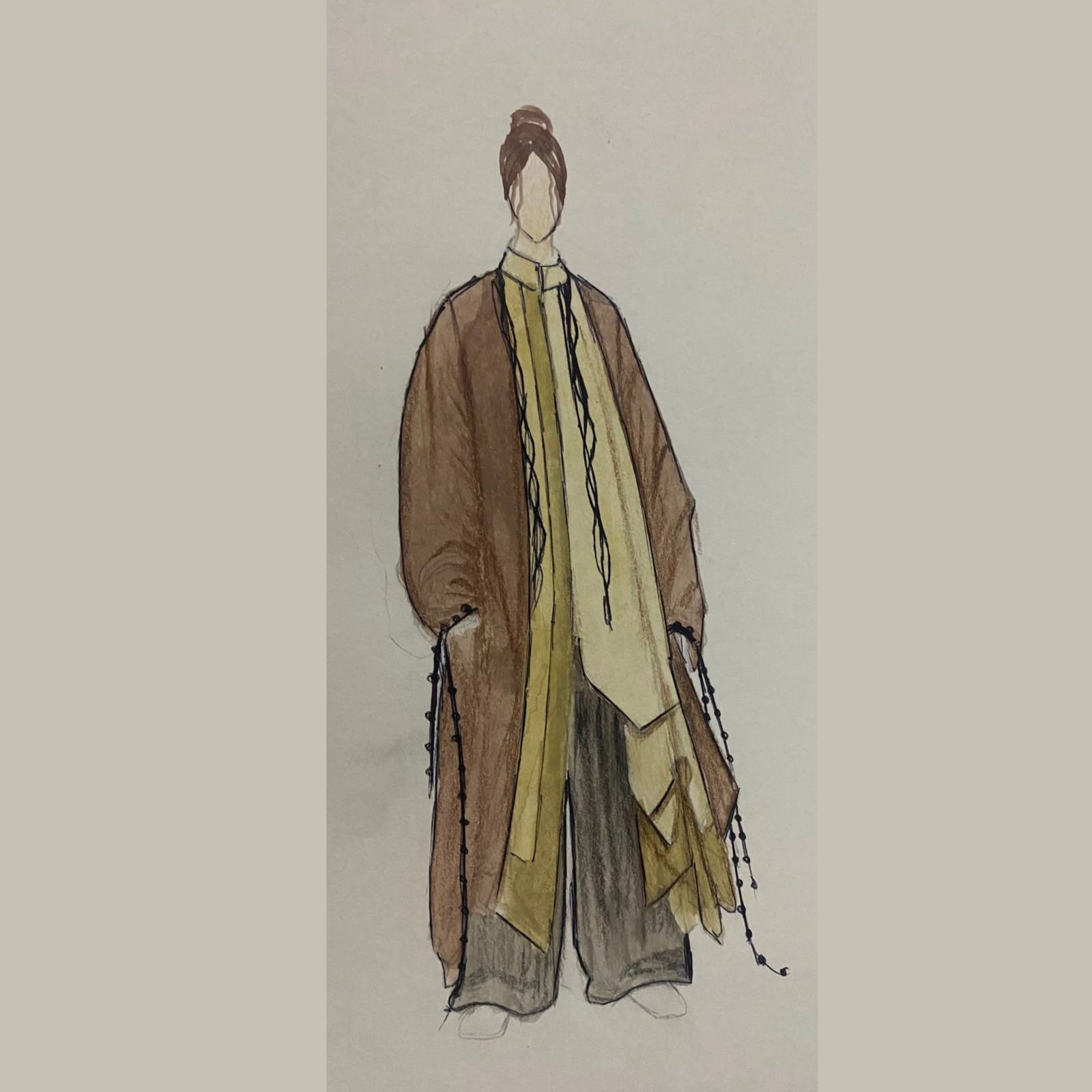
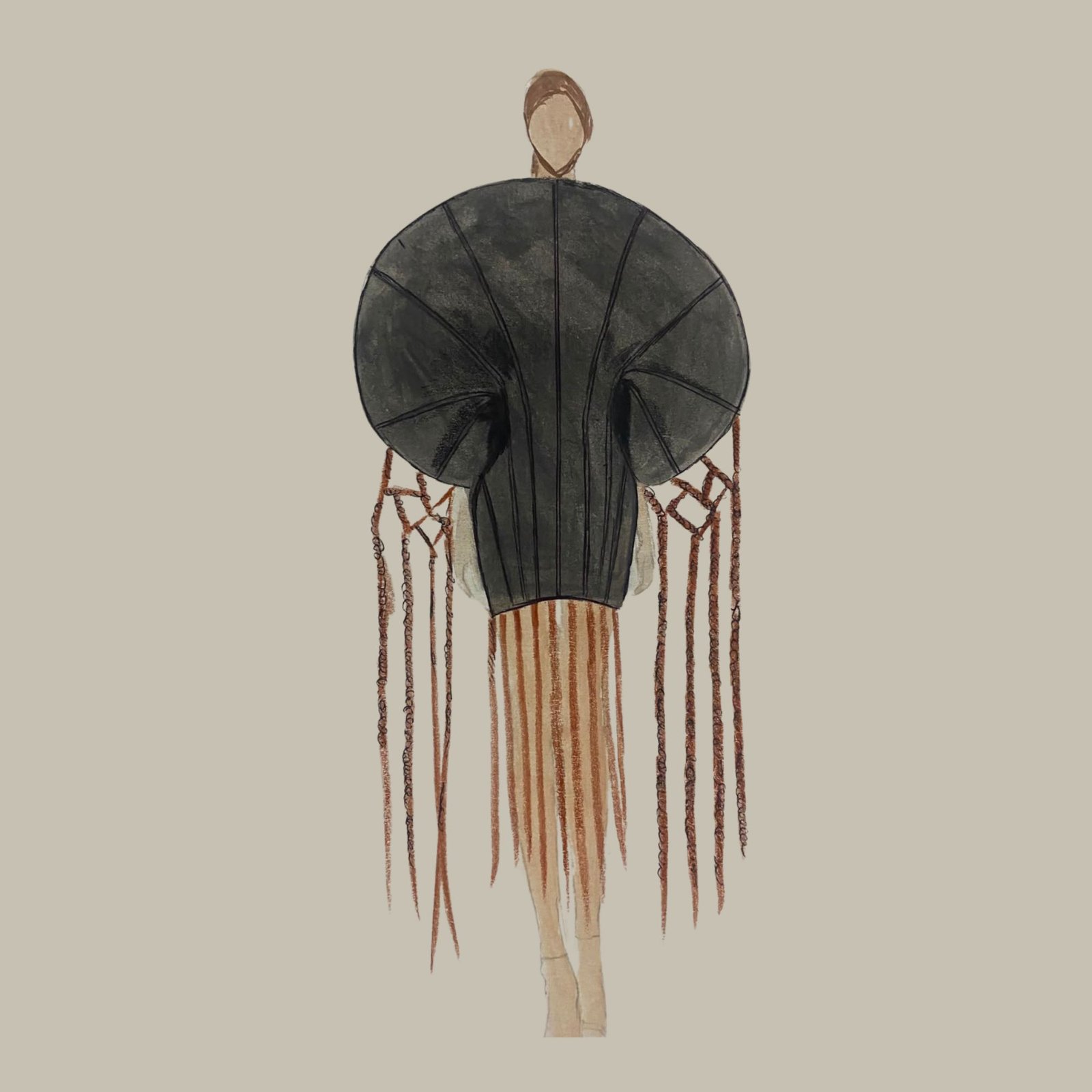
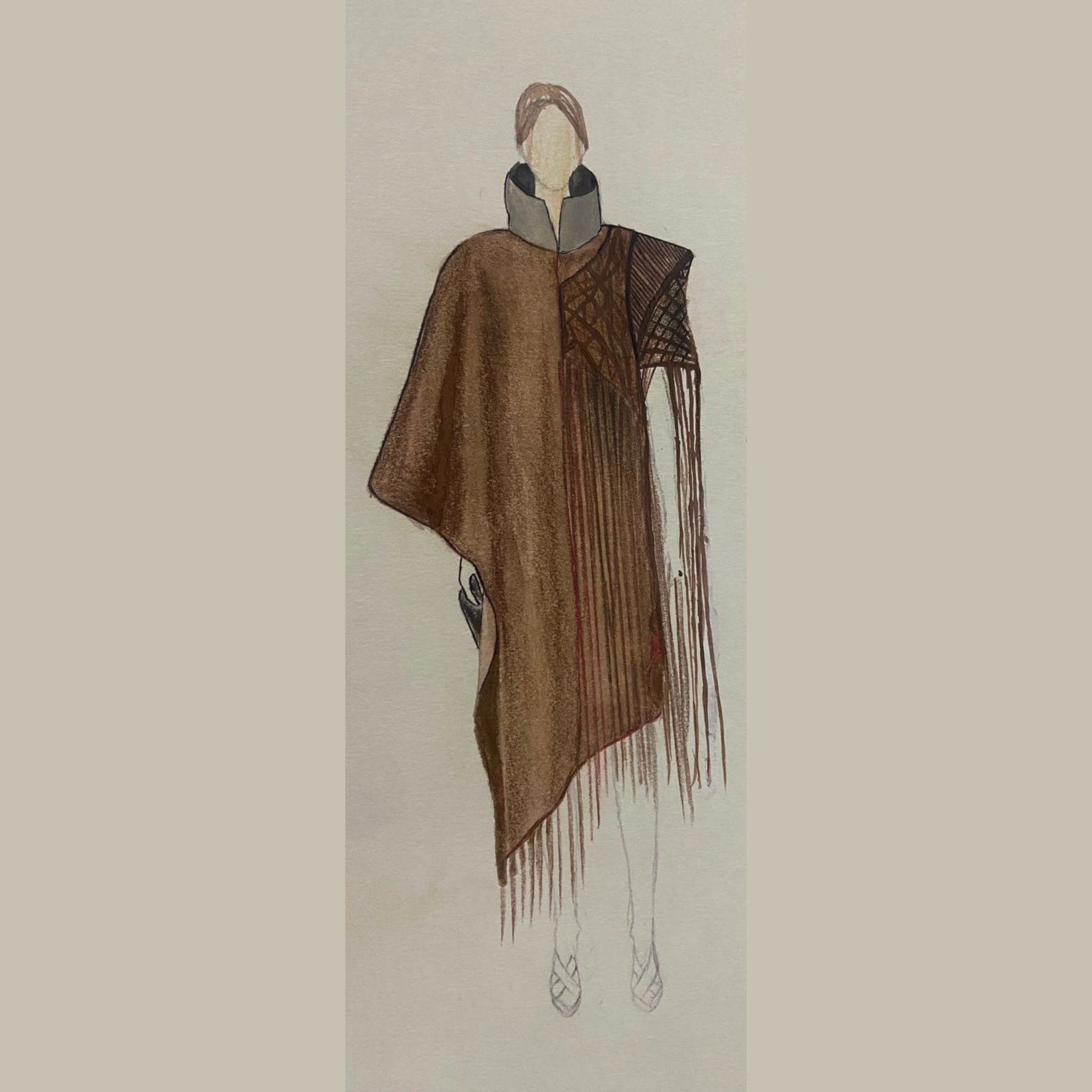
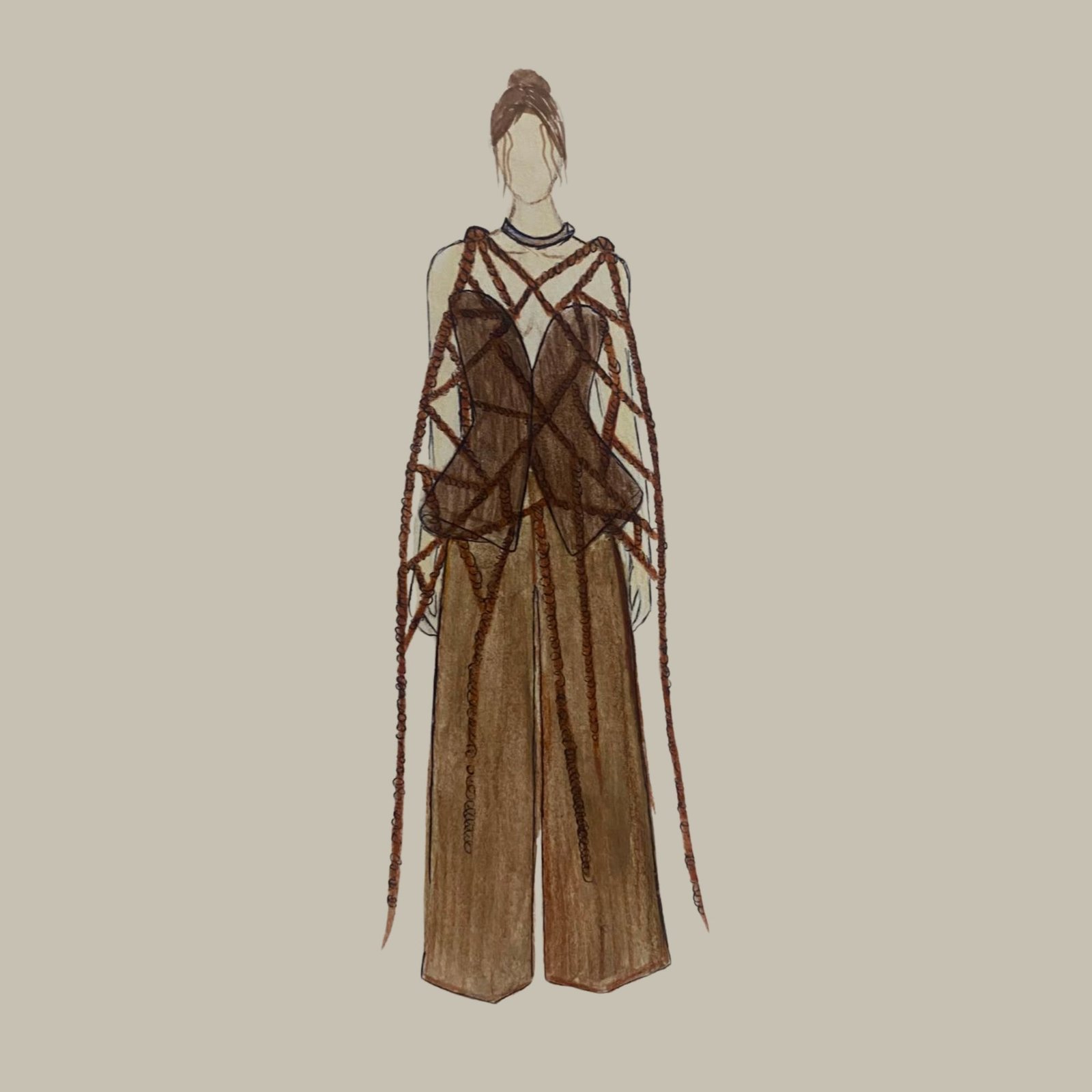
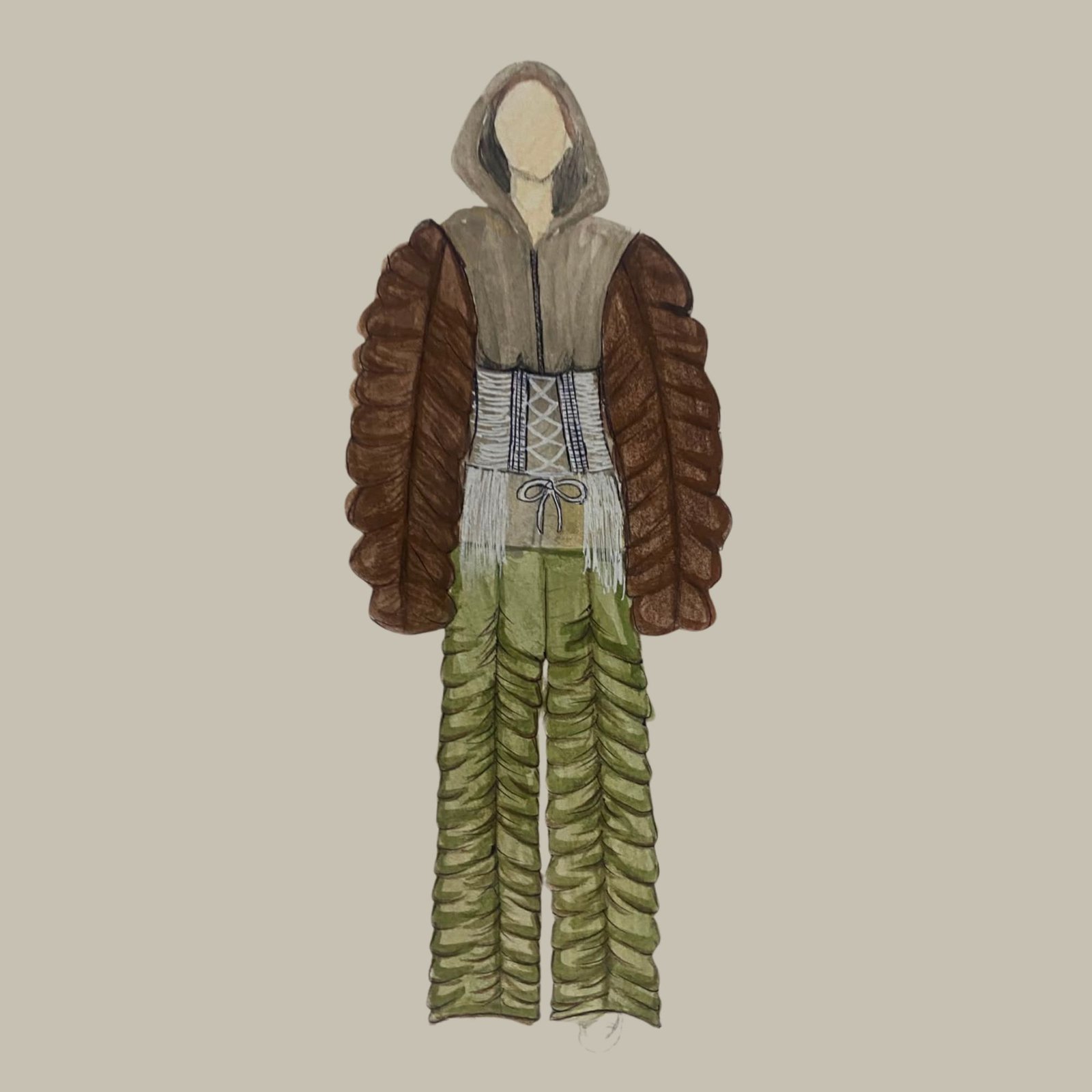
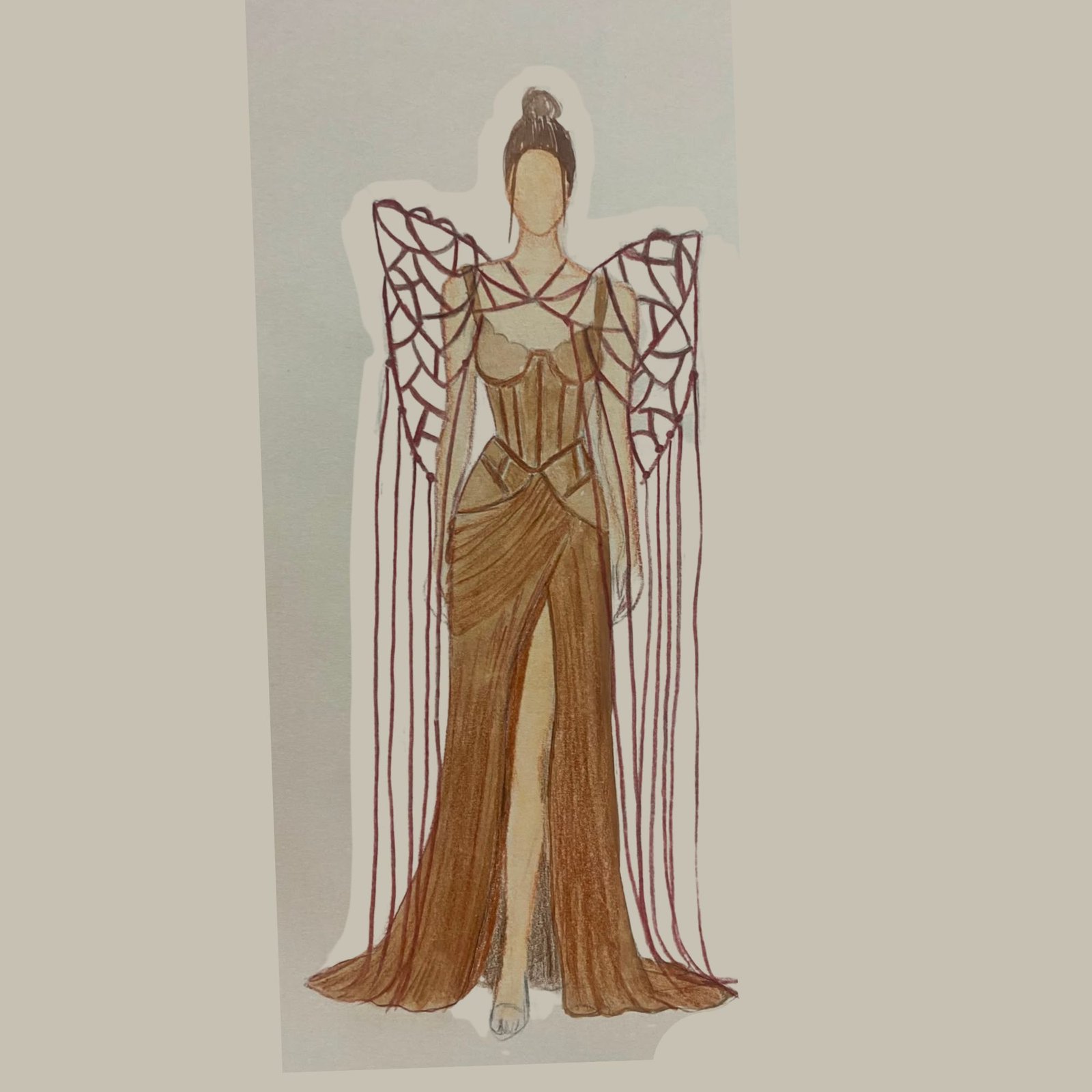
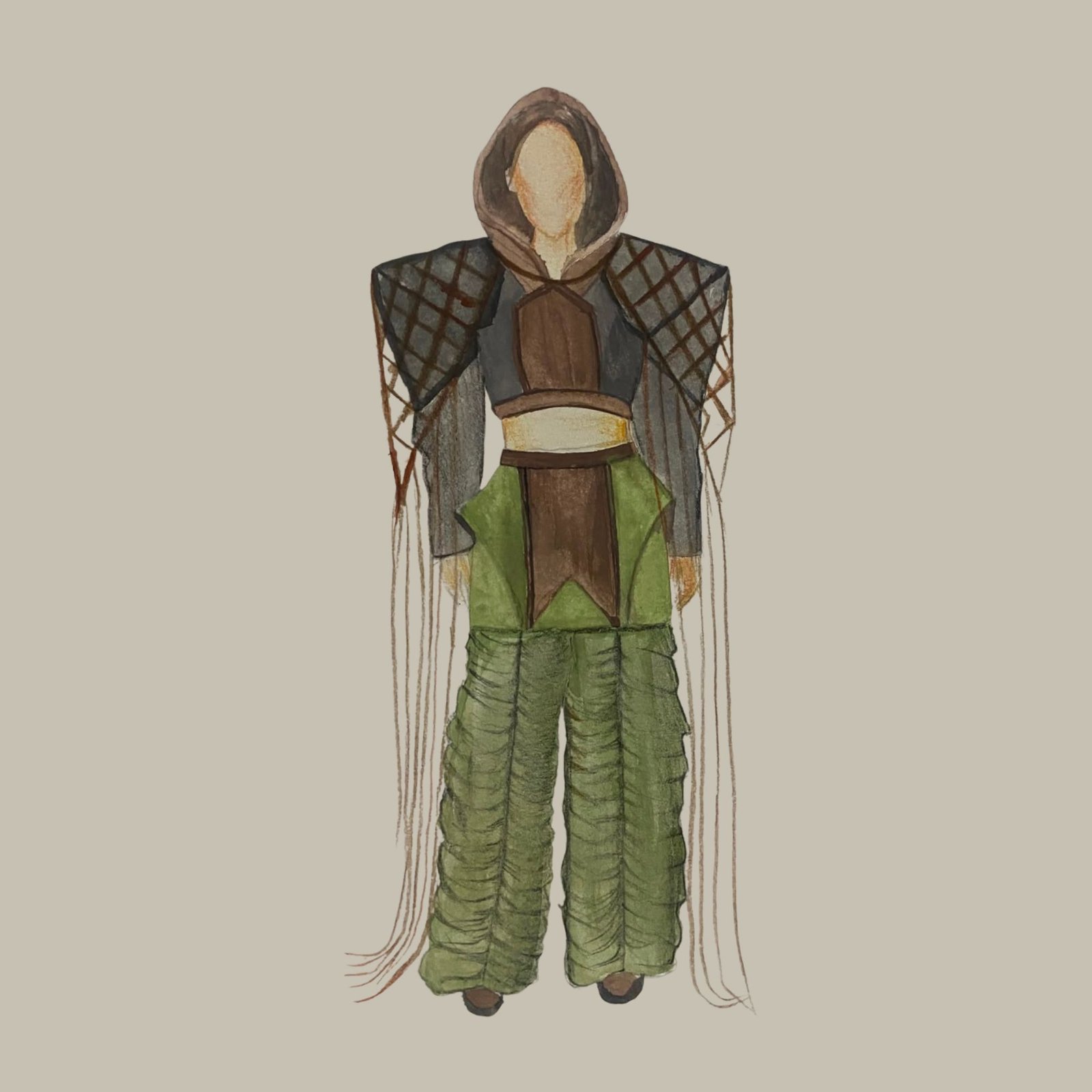
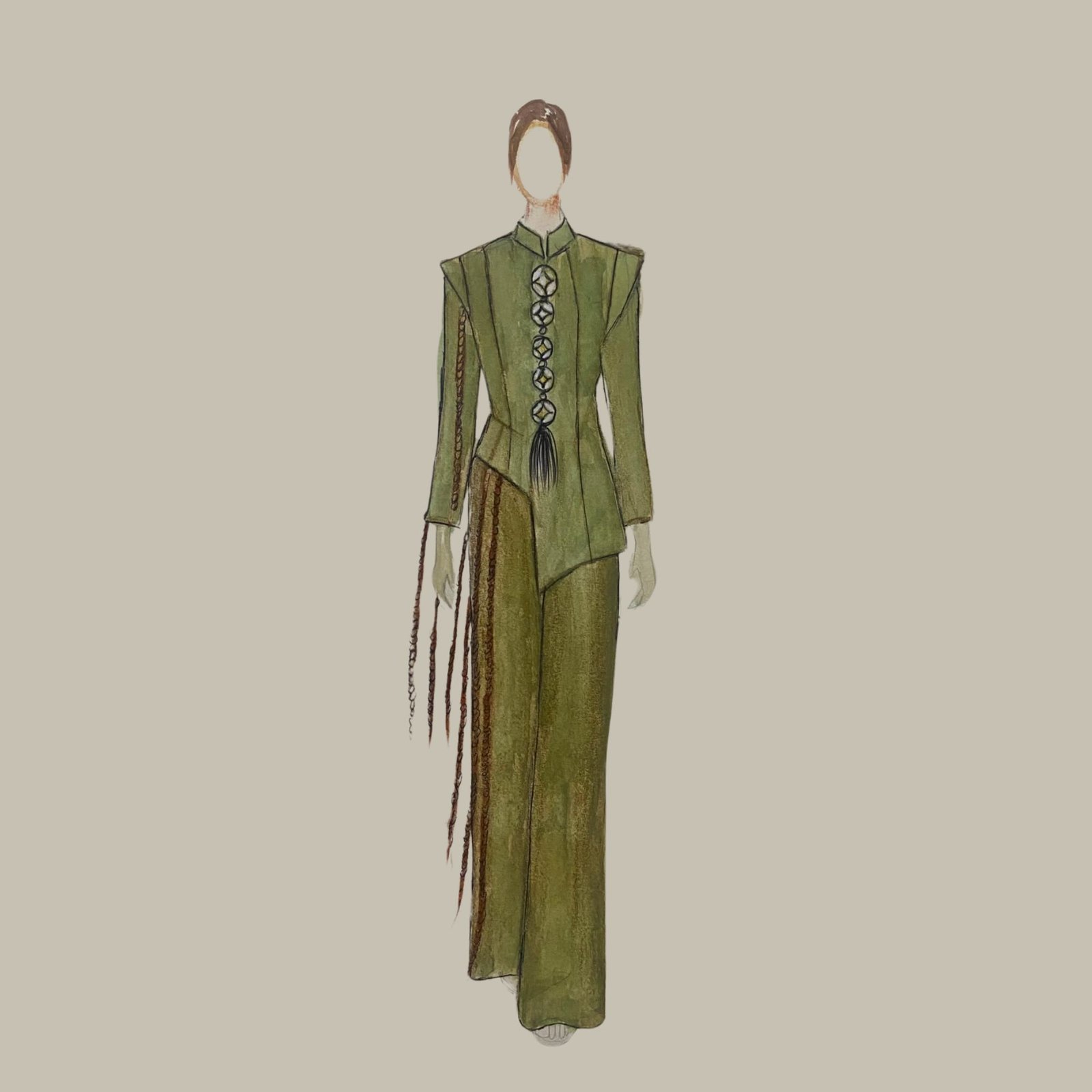
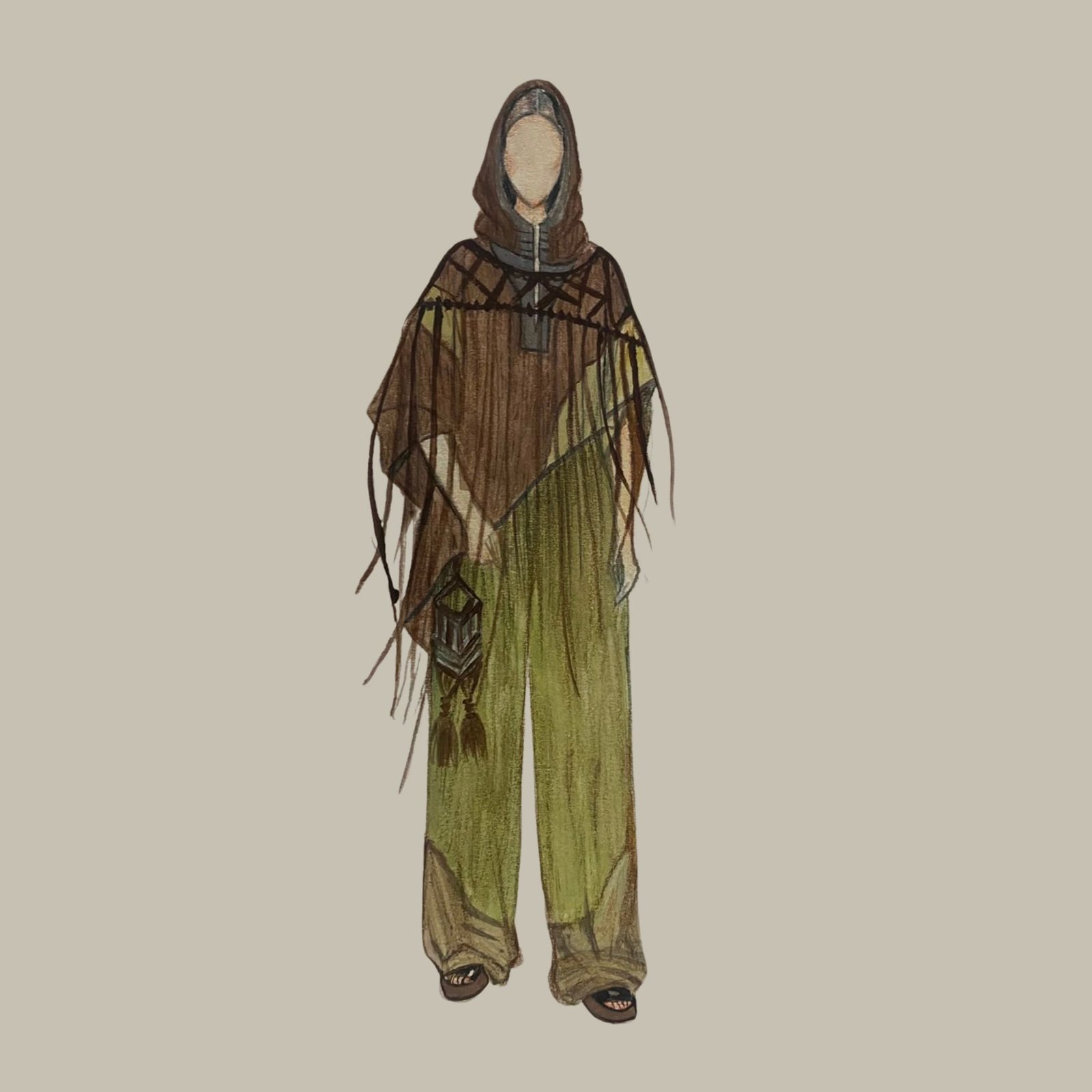
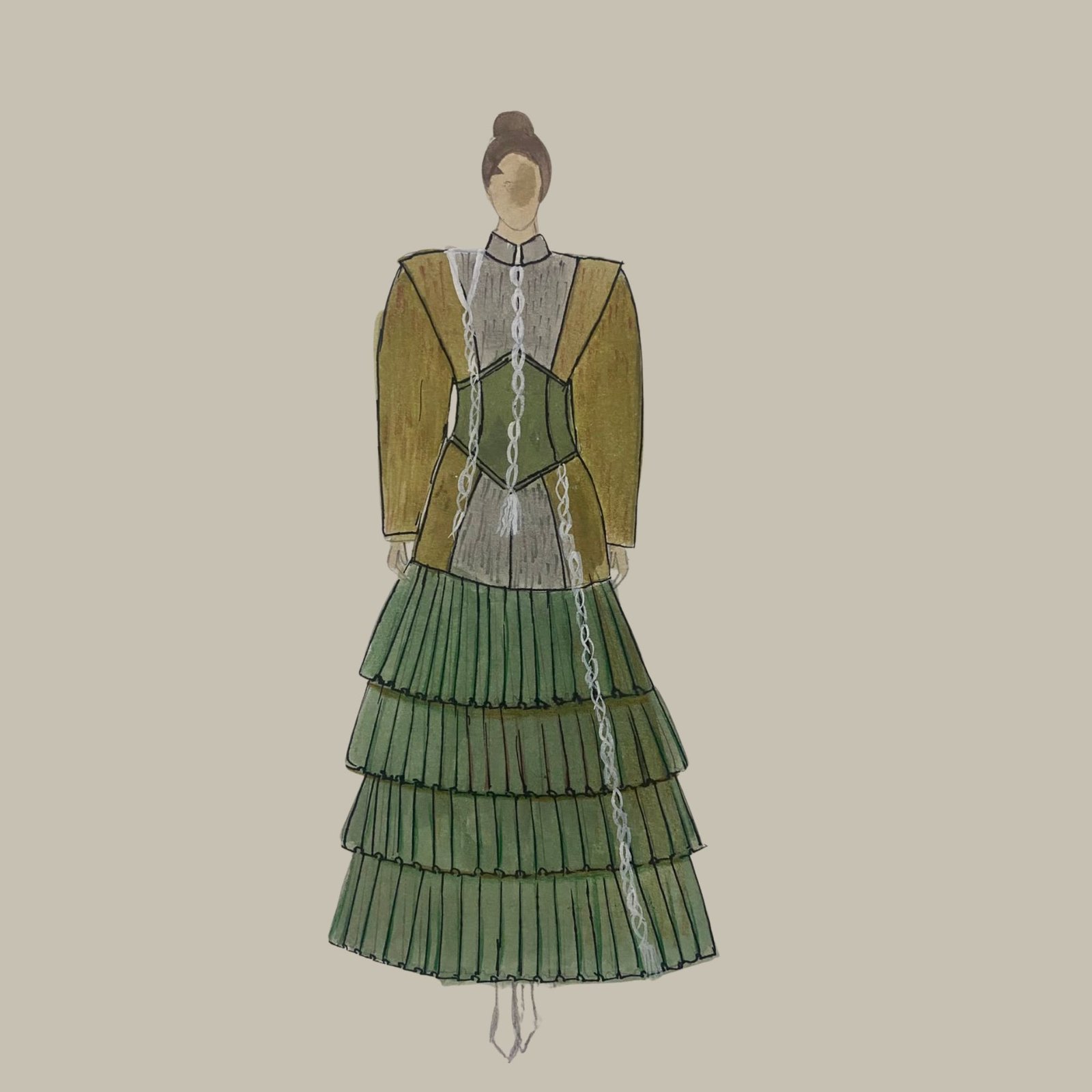
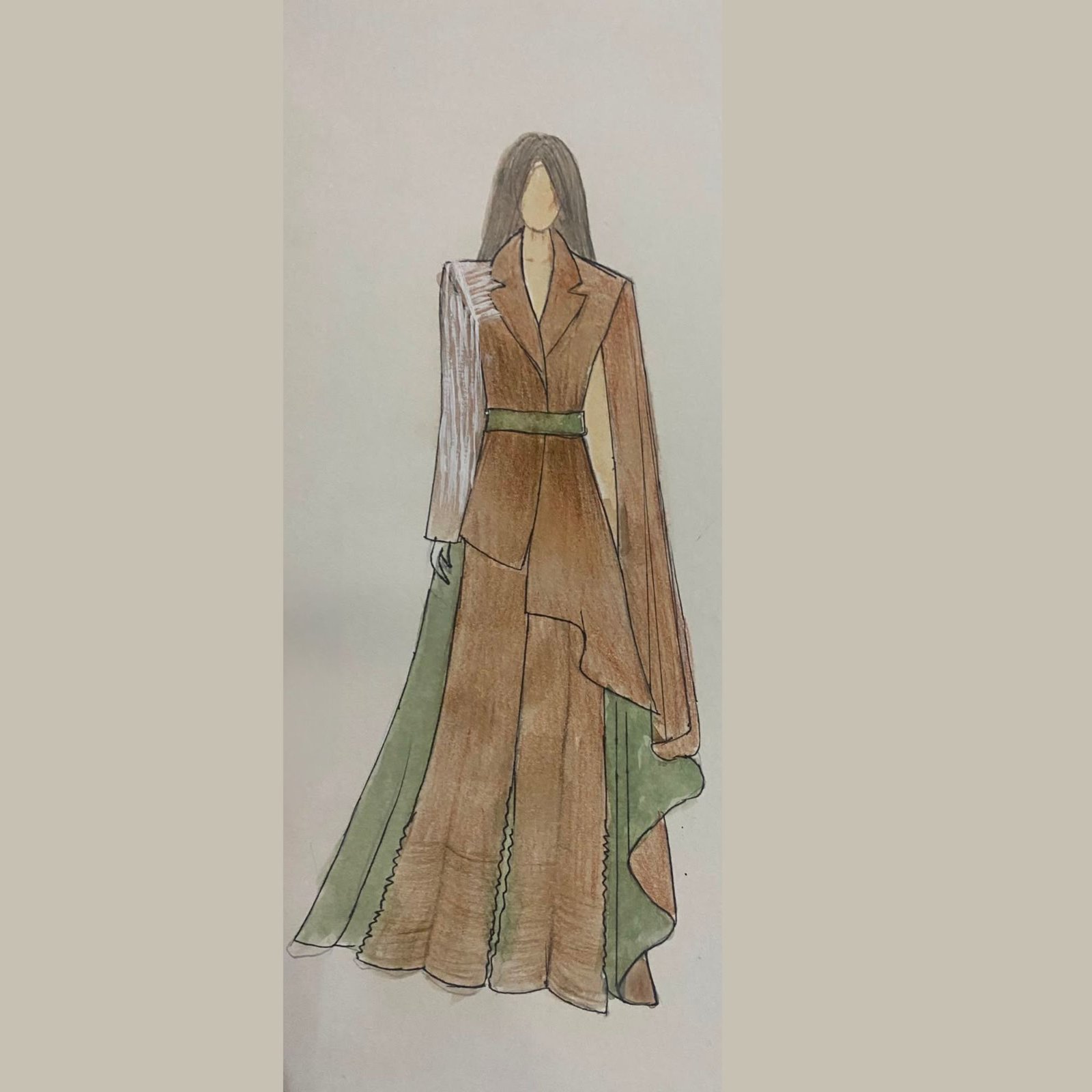
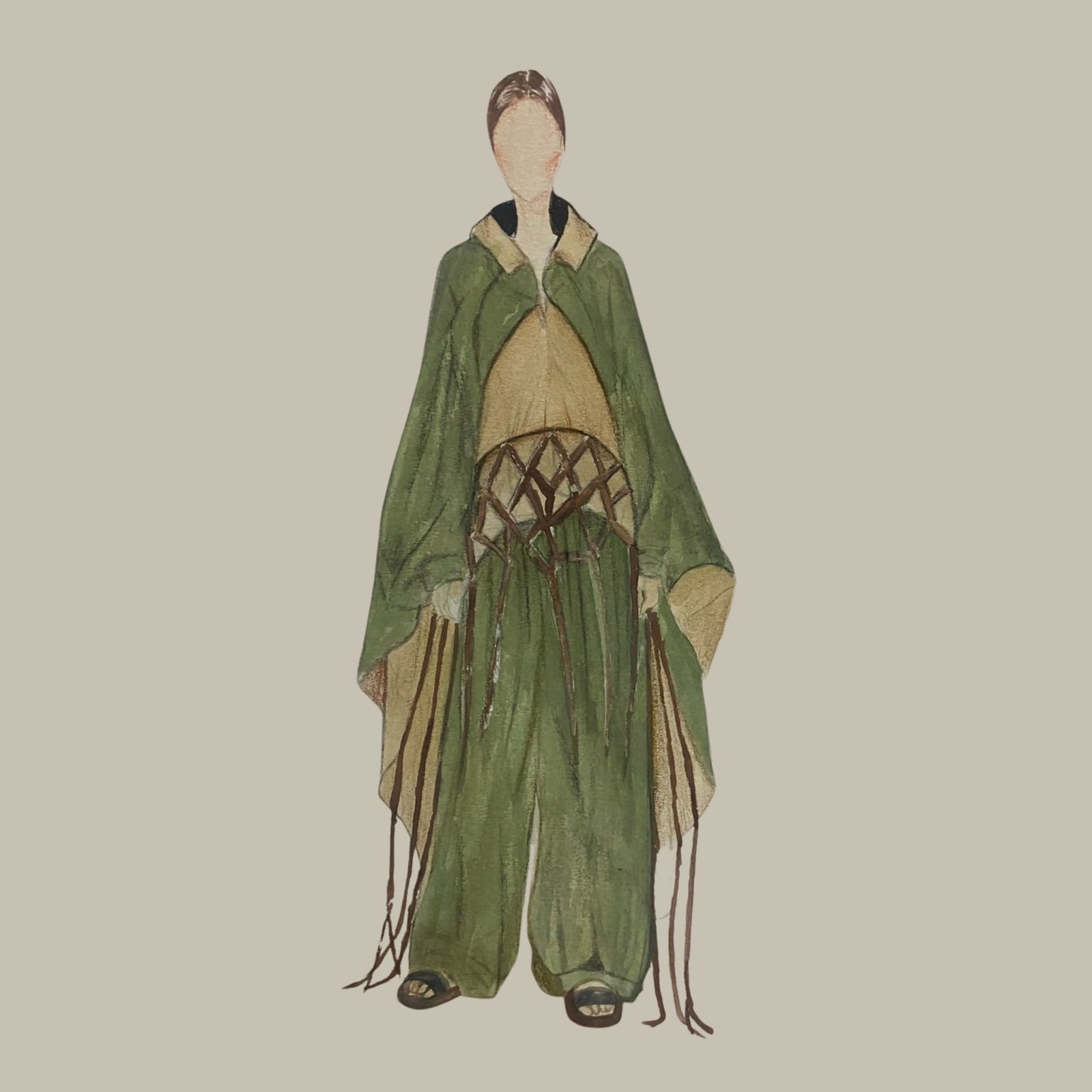
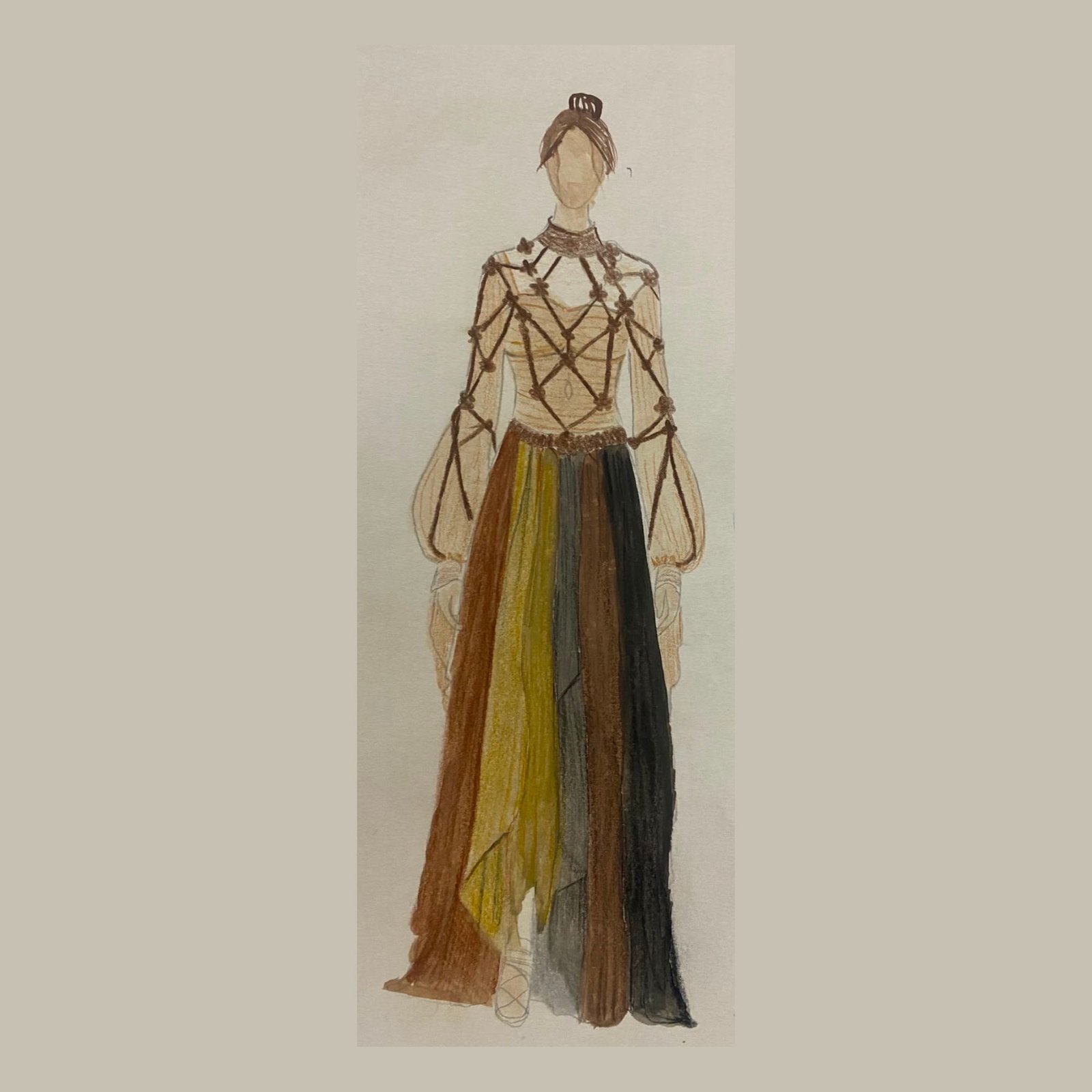
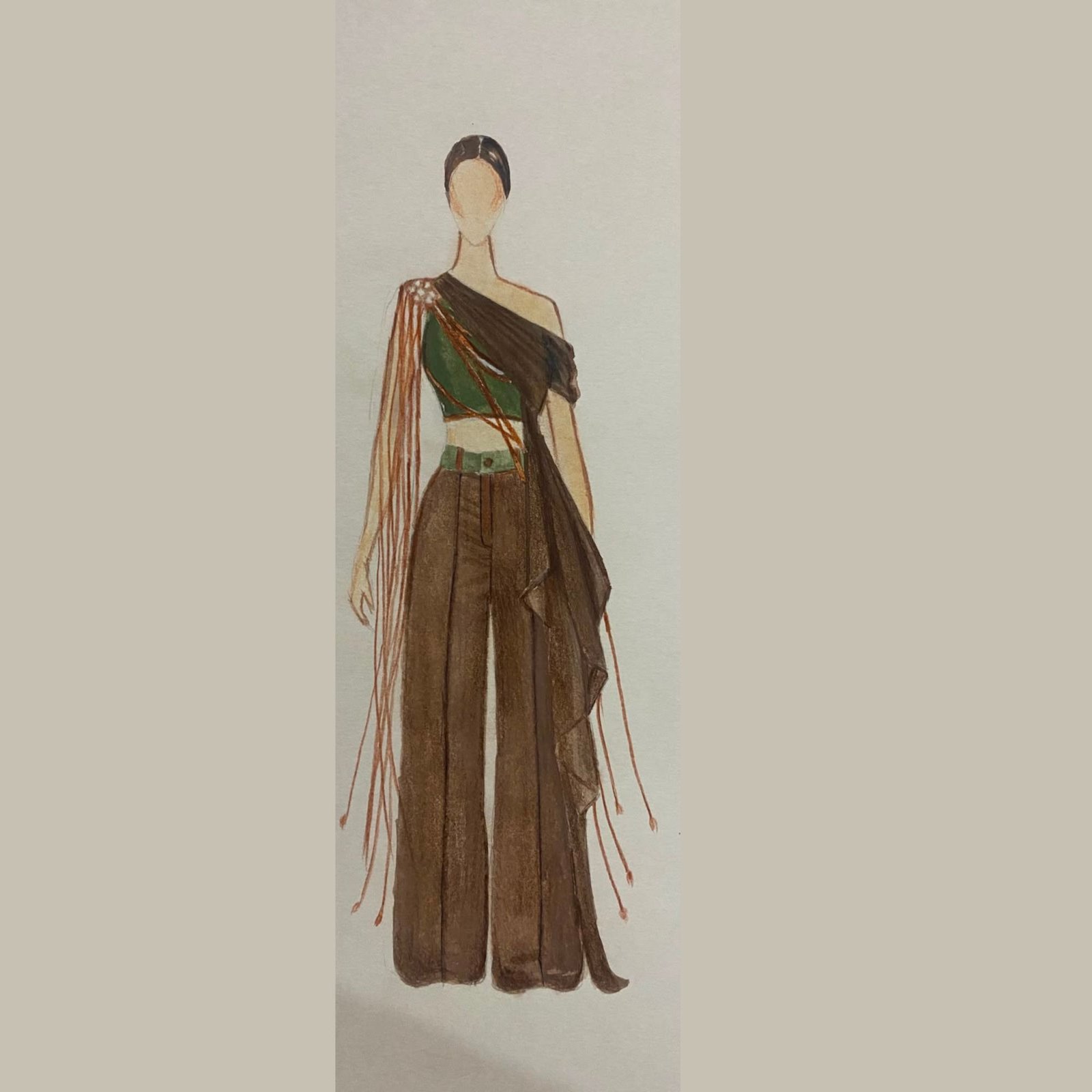
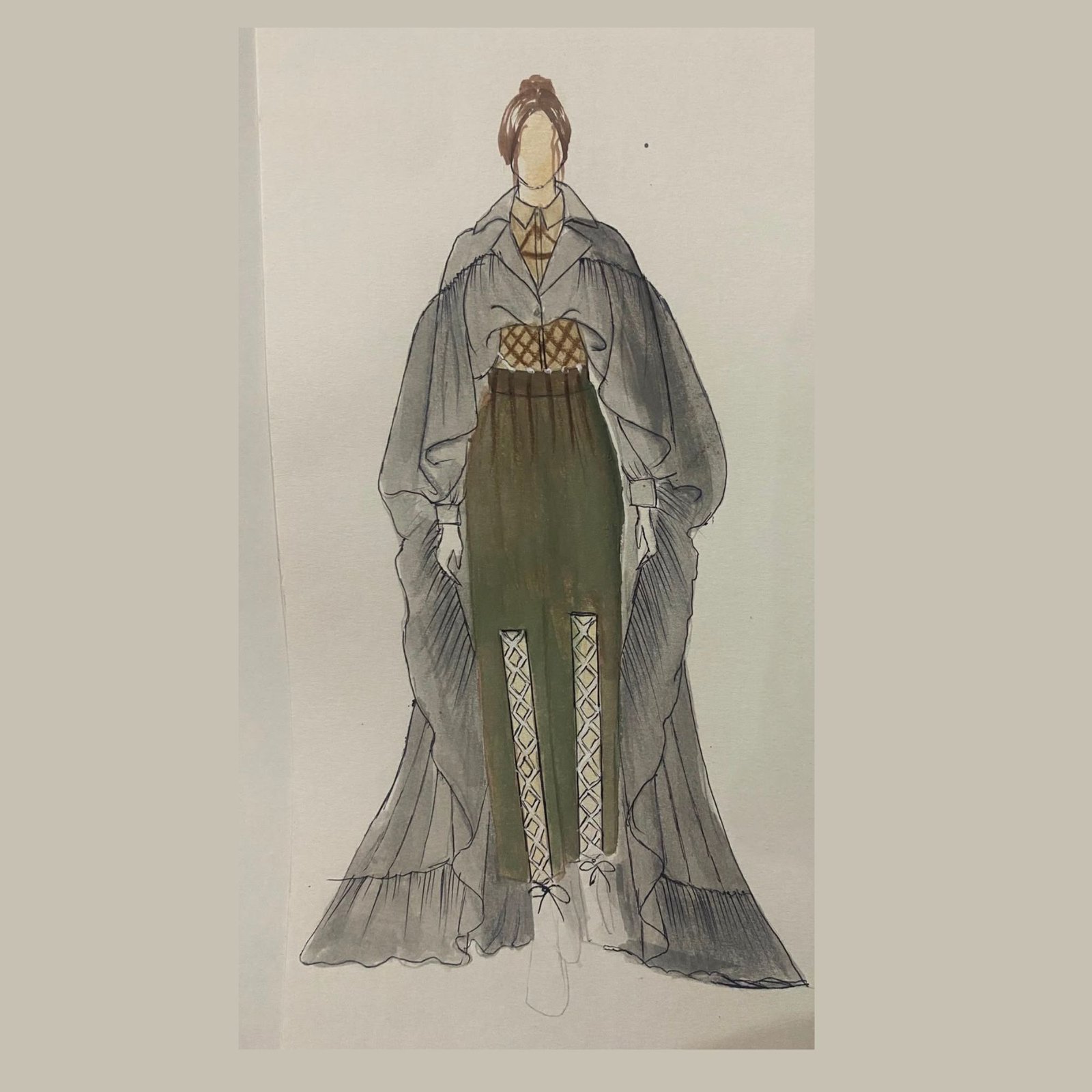
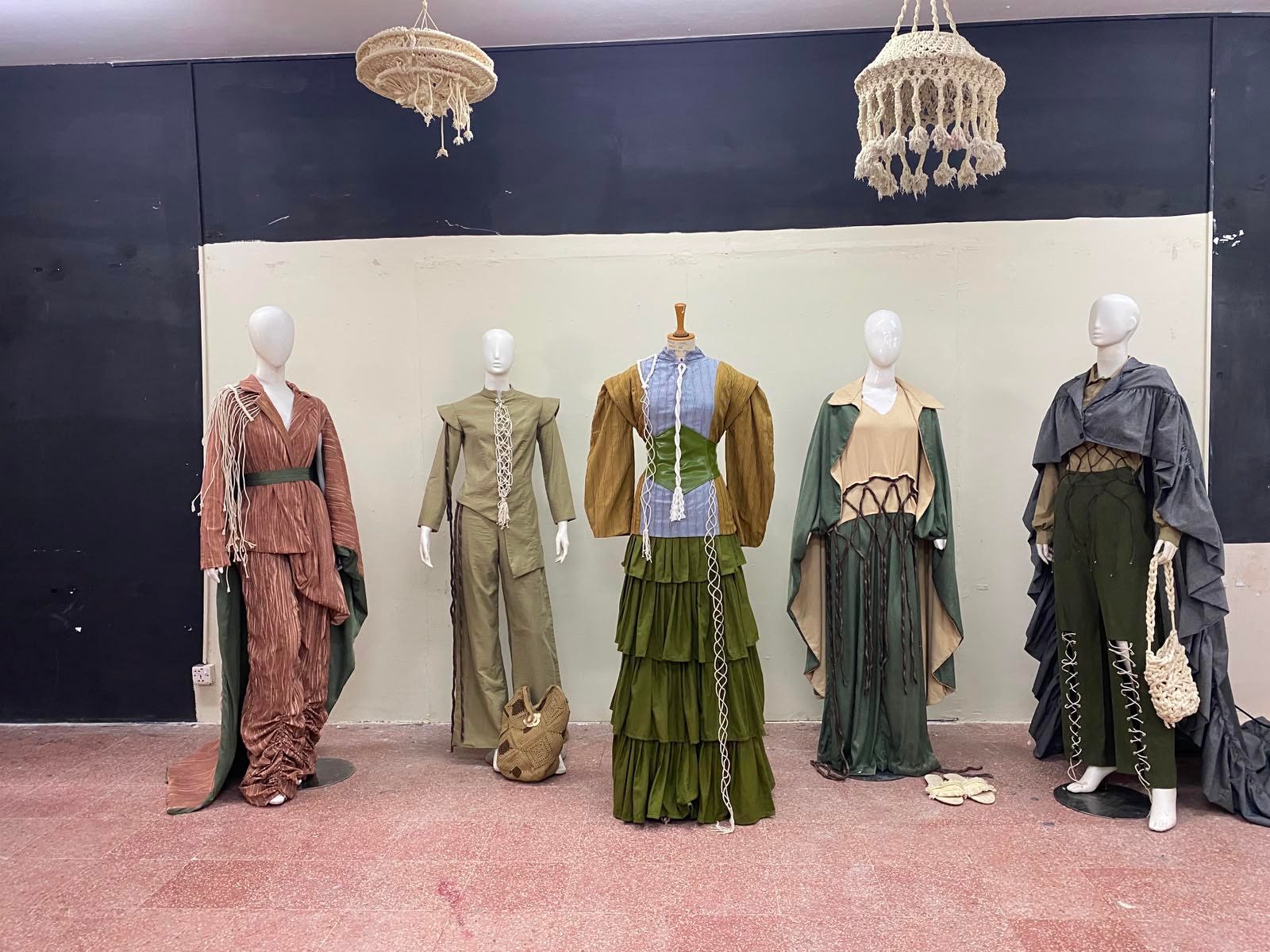
This study titled ‘Interwoven Lives’ looks into the lives of individuals and the relationships between them. The relationships are represented through the Banyan Tree (Ficus benghalensis), biologically and symbolically, and translated into wearable art through the medium of Macramé knots. Banyan trees are biologically known to create new trunks as their roots form branches, thus creating a web of trunks in between, which is the premise of ‘Interwoven Lives’. The aim of this research is to physically manifest the relationships between people, portraying their ‘unbreakable yet flexible’ nature.
All parts of the human body can be related to human relationships. Symbols or knots can be tied to certain parts of the body to describe human relationships and the emotions that go with them. The symbol or knot that is tied around the wearer’s chest represents emotional connection and ties of love and trust to others. The wearer’s shoulders symbolize his/her responsibility towards others, i.e. children, elderly relatives etc. The back of the wearer symbolizes the connections the wearer has had with others in the past and the emotions that these connections have left the wearer with. The knot or symbol that is tied around the wearer’s waist symbolizes the wearer’s attempts to keep a balance between his/her relationships and personal interests. The waist also symbolizes how we all manage to hold together all the connections we have with others and how we try to keep our lives together in order to fulfill all our responsibilities towards others. The wearer’s arms and the sleeves on his/her garments are used by the wearer to connect with others and to communicate with others. These parts of the wearer’s body represent all the interactions the wearer has with others on a daily basis and how the wearer reaches out to others and how others reach out to the wearer in order to form various connections with each other. The wearer’s neck and the collar of the wearer’s garments represent the wearer’s identity or voice and how the wearer expresses himself/herself to others by his/her words and actions.